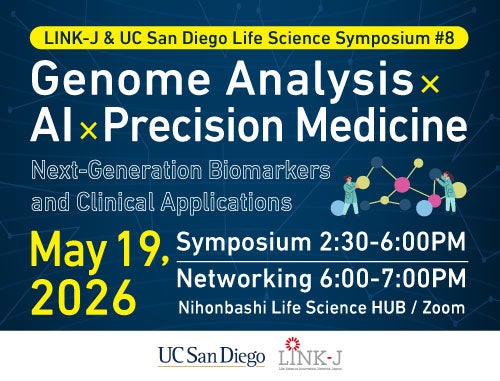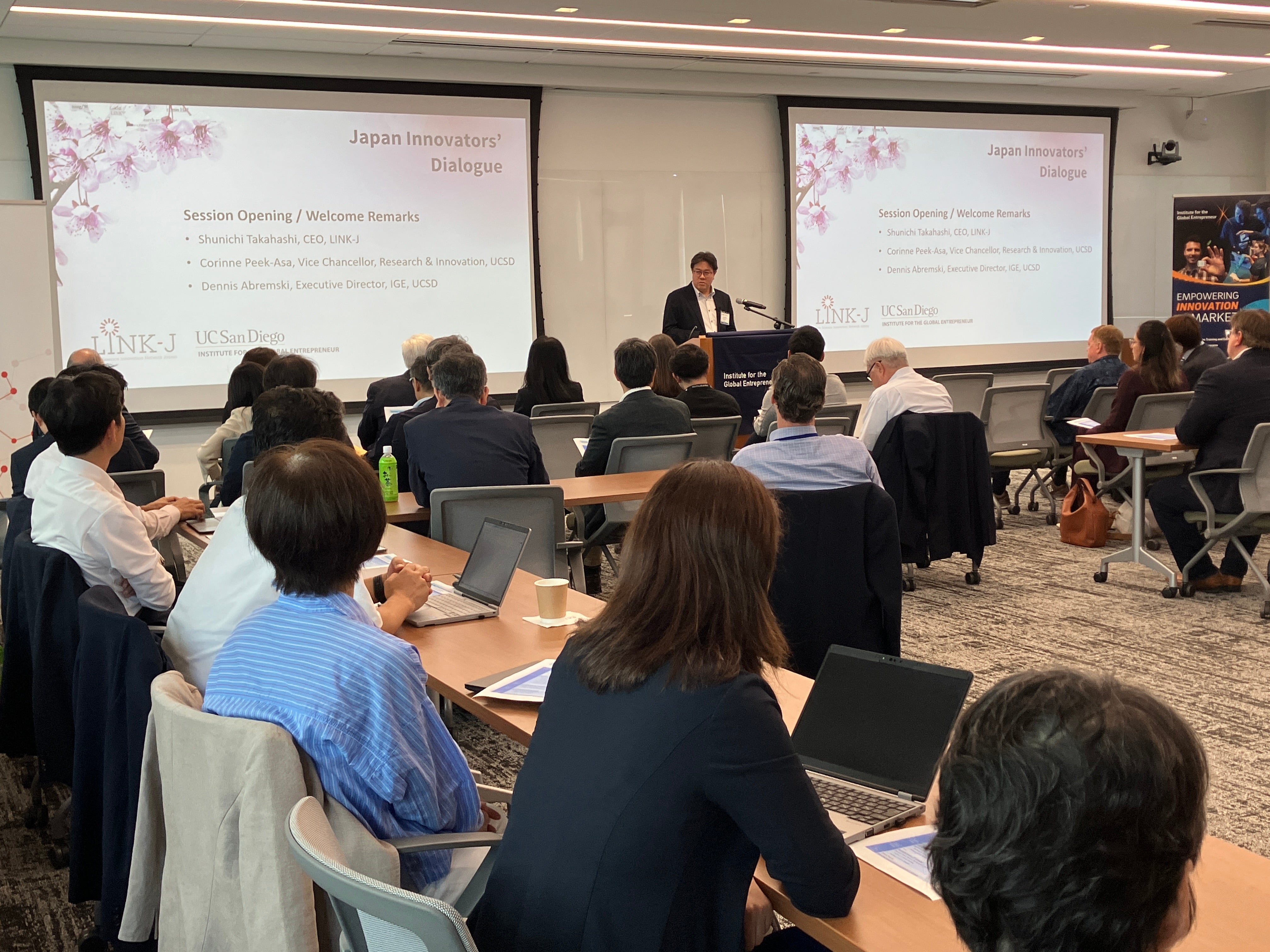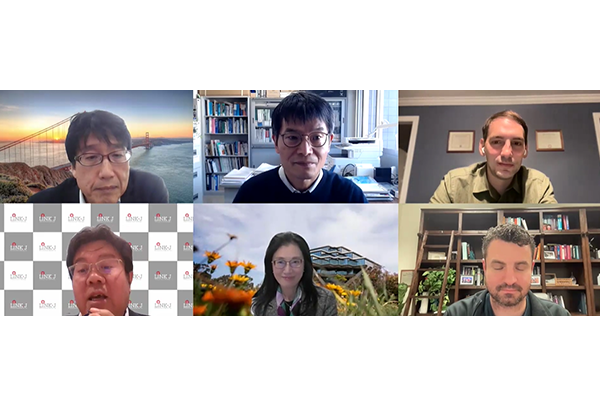












On May 19, 2026, the LINK-J & UC San Diego Life Science Symposium #8 “Genome Analysis x AI x Precision Medicine - Next-Generation Biomarkers and Clinical Applications” was held at Nihonbashi Life Science Hub and online.
Four speakers gave lectures on genome analysis, the use of AI in healthcare, and the related U.S. healthcare ecosystem.
The recording is available on LINK-J's YouTube channel. (Language: English)
Opening Remarks
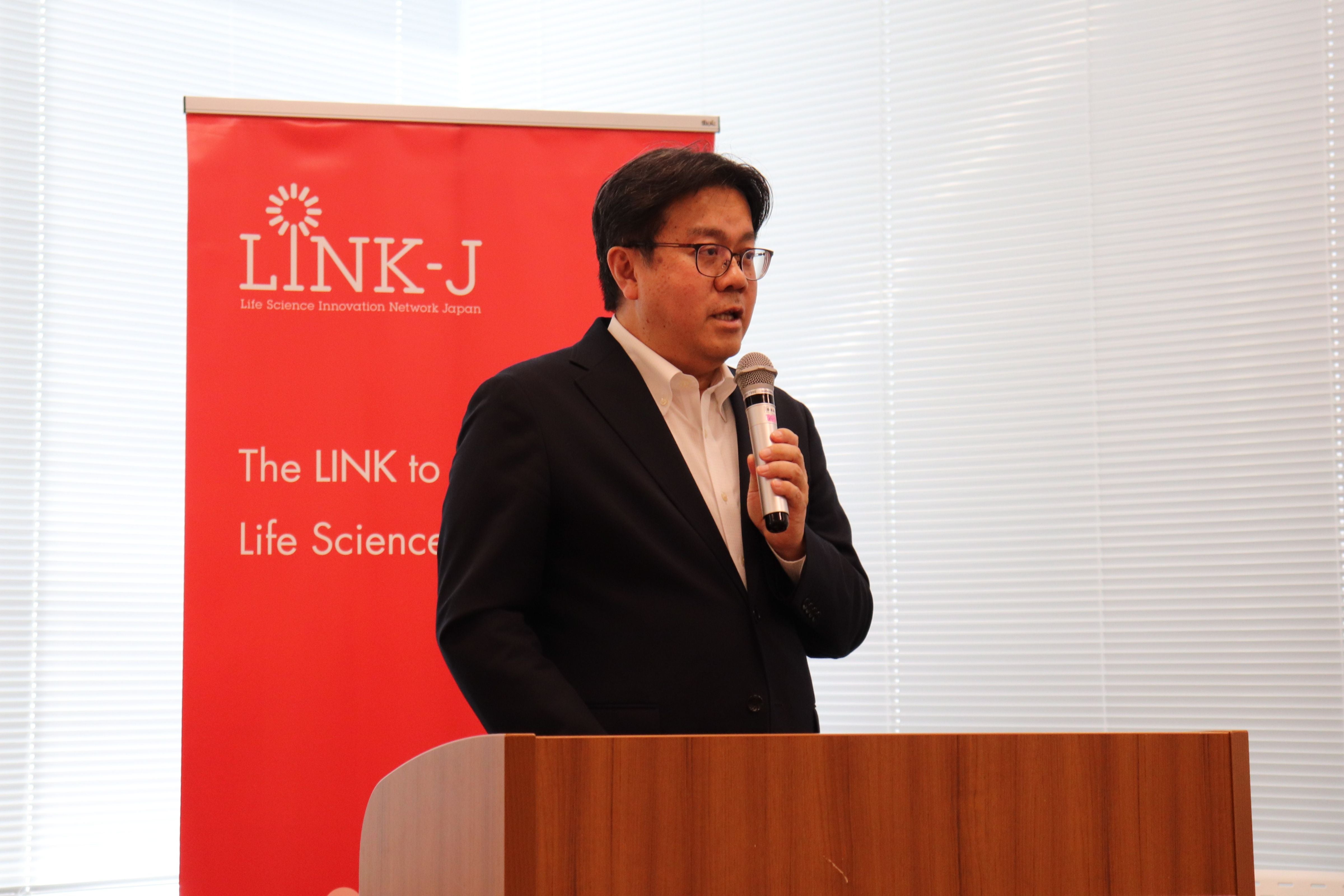
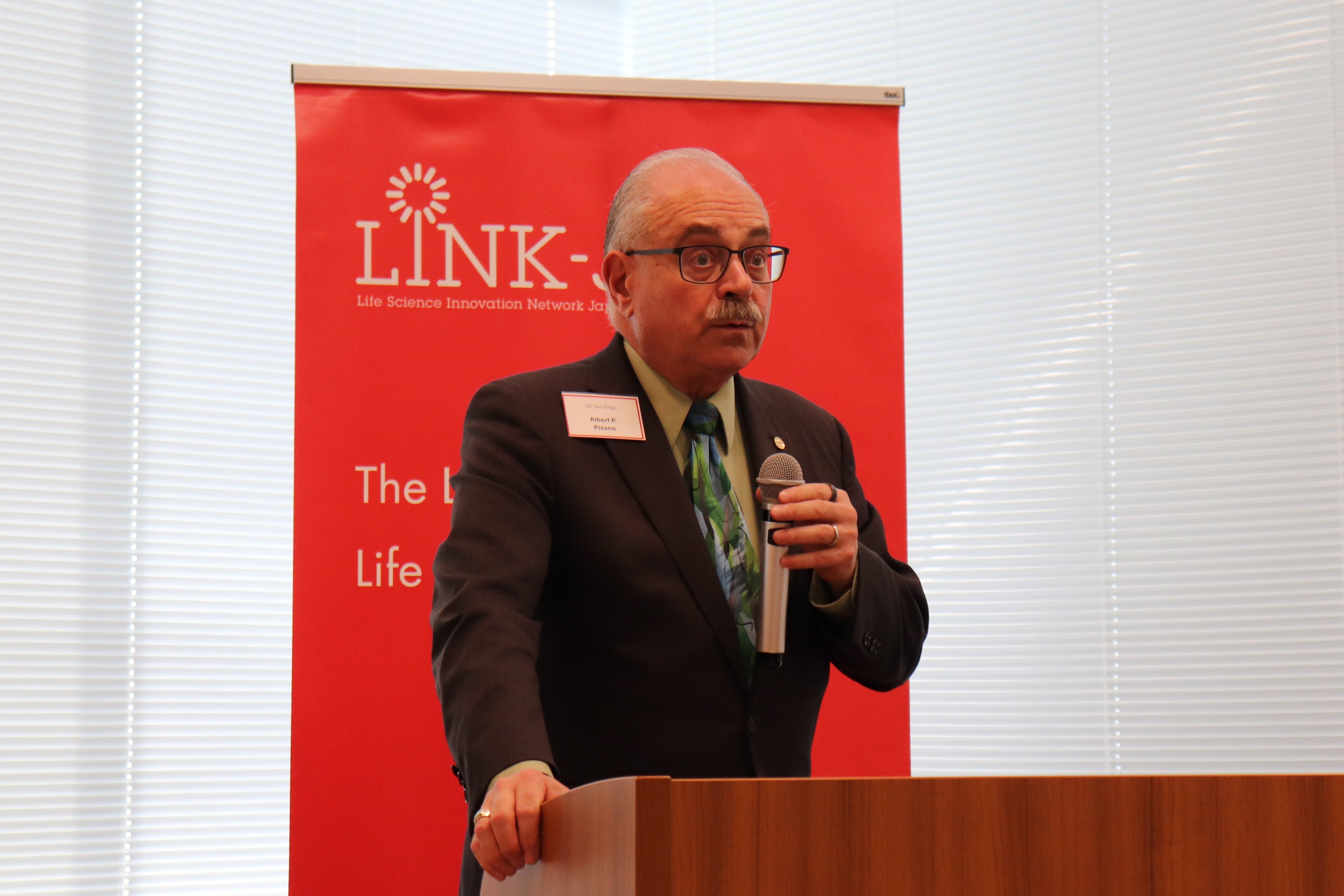
At the beginning, opening remarks were given by Shunichi Takahashi of LINK-J and Dean Albert P. Pisano (Dean and Distinguished Professor, Jacobs School of Engineering / Special Advisor to the Chancellor, University of California San Diego).
Keynote Presentation
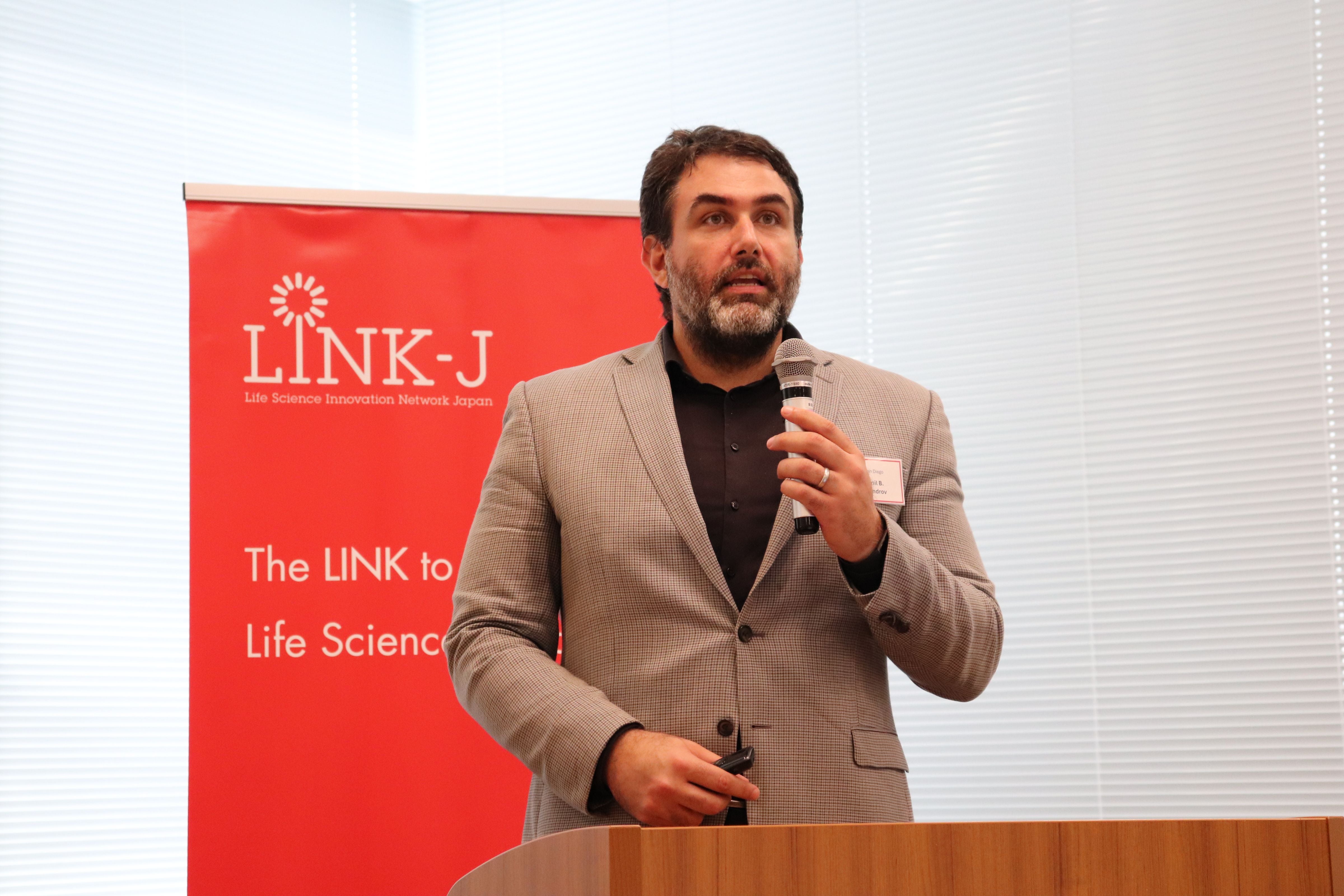
"Genome Analysis and AI for Cancer Prevention and Precision Medicine"
Prof. Ludmil B. Alexandrov, Ph.D.
(Professor, Department of Cellular and Molecular Medicine and Shu Chien-Gene Lay Department of Bioengineering, University of California San Diego)
The integration of genomics and artificial intelligence is transforming how we understand, prevent, and diagnose cancer.
In this talk, Prof. Alexandrov presented a unified framework combining large-scale data and machine learning to address both public health and clinical challenges.
First, he described his team's work applying machine learning to large-scale cancer genomics to investigate the rise of early-onset colorectal cancer. Analyses of whole-genome data across 11 countries reveal geographic and age-related mutational patterns, including evidence for early-life exposures such as colibactin, informing risk stratification and opportunities for early intervention at the population level, including in Japan.
Second, he showed how AI can predict treatment response directly from routine histopathology images, enabling AI-based diagnostics that can complement or, in some cases, replace molecular testing in a more cost-effective and scalable manner, while guiding therapy selection.
Together, these examples illustrated how genomics and AI can bridge discovery and clinical implementation in precision oncology.
Presentations
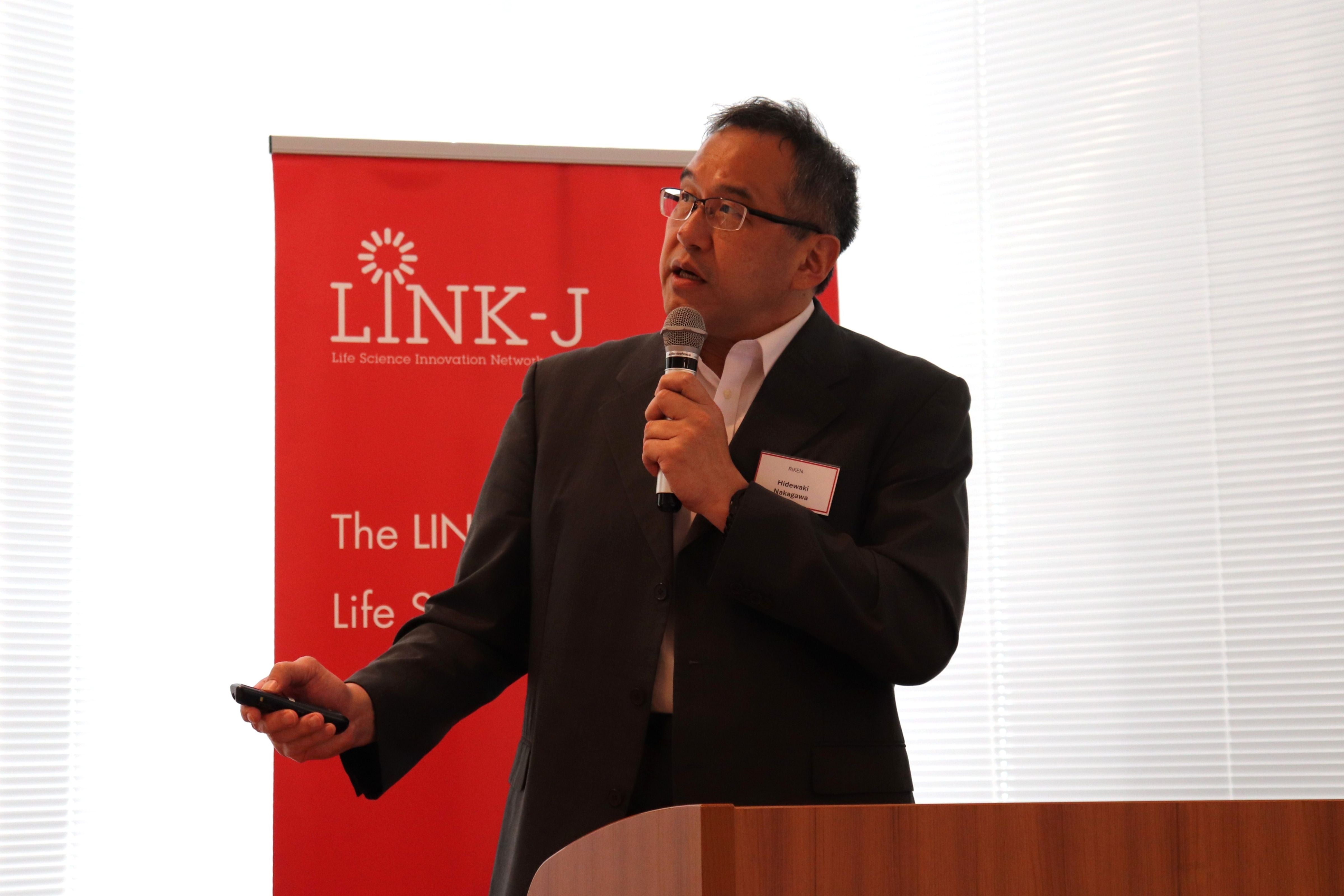
"Advanced Immuno-Genomics and AI for Cancer Precision Medicine"
Dr. Hidewaki Nakagawa (Team Director, RIKEN)
In this lecture, the utilization of genomic information in cancer care was introduced, including tumor classification, prediction of treatment efficacy, and seed discovery.
In renal cancer, the potential of diagnostic support using RNA expression information was demonstrated, while in esophageal and gastric cancers, multi-omics data including DNA, RNA, immune information, and imaging information were analyzed using Explainable AI (random forest) to predict the efficacy of chemotherapy and stratify patients.
Furthermore, single-cell analysis and AI were used to analyze diverse subtypes of neutrophils (Tumor-associated neutrophils), revealing that they exhibit different characteristics in esophageal cancer and gastric cancer.
In addition, it was introduced that spatial transcriptome analysis and cMAP analysis are being utilized in liver cancer to advance the exploration of pathways involved in resistance to immune checkpoint inhibitors and candidate therapeutic agents.
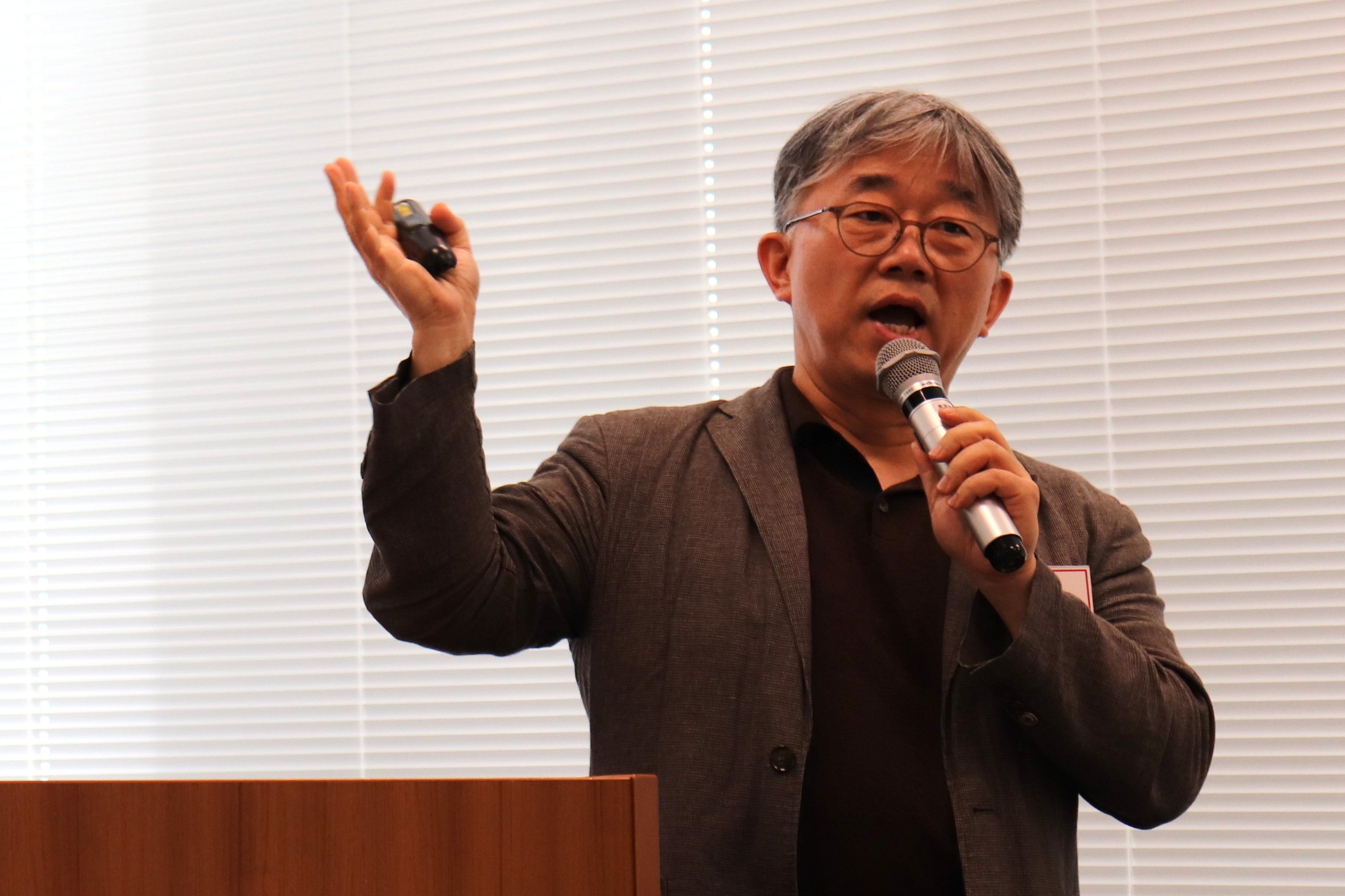
「IntelliMed: An AI-Powered Multi-Omics Platform for Smarter Drug Discovery and Clinical Development」
Dr. Woong-Yang Park, MD, PhD (Chair, GxD)
IntelliMed is an AI-powered drug discovery platform designed to help pharmaceutical companies identify high-value therapeutic targets, discover predictive biomarkers, and optimize clinical development strategies.
By integrating clinically annotated genomics, single-cell and spatial omics, pathology, and treatment-response data, IntelliMed provides a comprehensive framework to understand disease biology in real clinical contexts.
The platform is particularly powerful for revealing tumor–microenvironment interactions, target expression patterns, resistance mechanisms, and patient subgroups most likely to benefit from specific therapies.
Built for translational and clinical applications, IntelliMed supports target prioritization, biomarker hypothesis generation, patient stratification, and indication expansion across oncology programs, including targeted therapies, immuno-oncology, and ADC development.
Its AI-driven analytics enable pharma partners to move beyond descriptive data analysis toward actionable decision-making grounded in human clinical samples.
By combining advanced multi-omics interpretation with scalable computational models, IntelliMed aims to reduce development risk, improve trial success rates, and accelerate the delivery of precision medicines to patients.
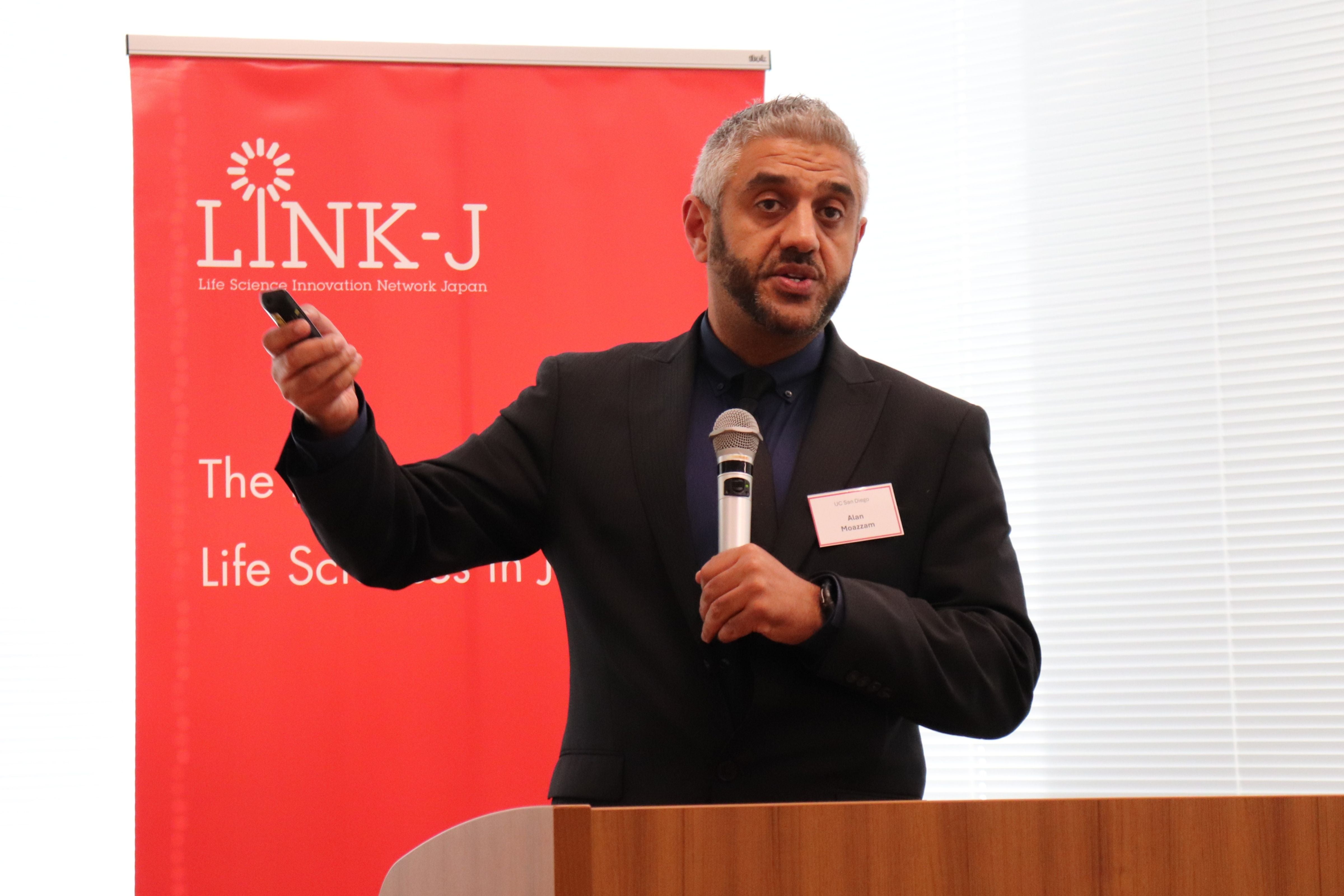
"Navigating the US Healthcare System: What It Takes to Bring New Technologies to American Patients"
Dr. Alan Moazzam, MD, MBA, FACP(Health Sciences Assistant Clinical Professor, Division of Hospital Medicine & Advisor to the Institute for the Global Entrepreneur (IGE), University of California San Diego)
Bringing a new therapy, diagnostic, or digital health technology to patients in the United States is rarely limited by the science itself - it is shaped by a uniquely complex financial and regulatory architecture.
In this lecture, Dr. Moazzam offered Japanese stakeholders a pragmatic map of the American healthcare system: the fragmented mix of public and private payers, how hospitals and physicians are actually paid, the coding and reimbursement pathways that determine whether an innovation reaches patients at scale, and the rising influence of value-based care.
He discussed how a clear understanding of this ecosystem equips companies to enter the US market with informed, realistic go-to-market strategies, setting the stage for the panel discussion on shortening the distance between scientific breakthrough and clinical impact.
Panel Discussion
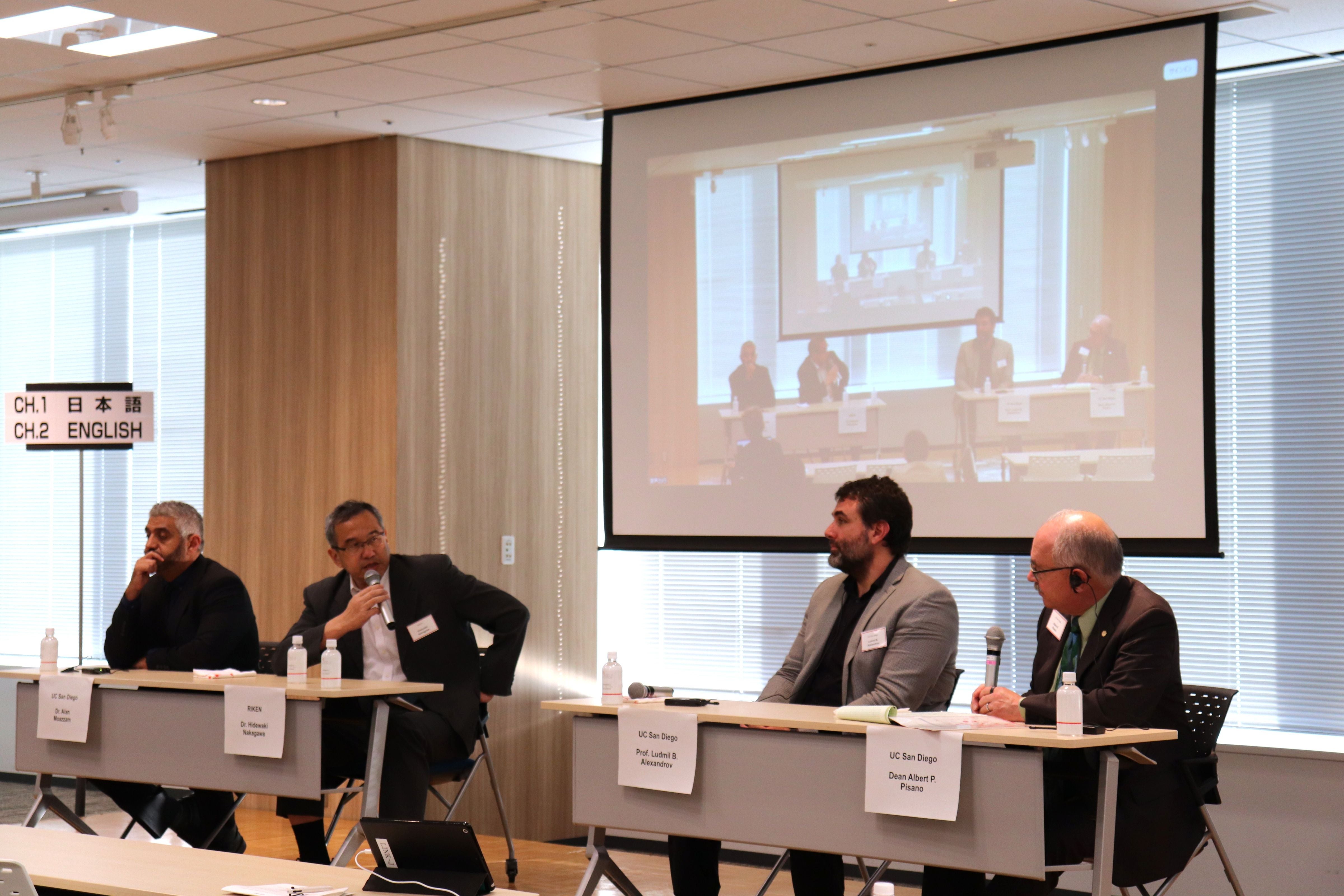
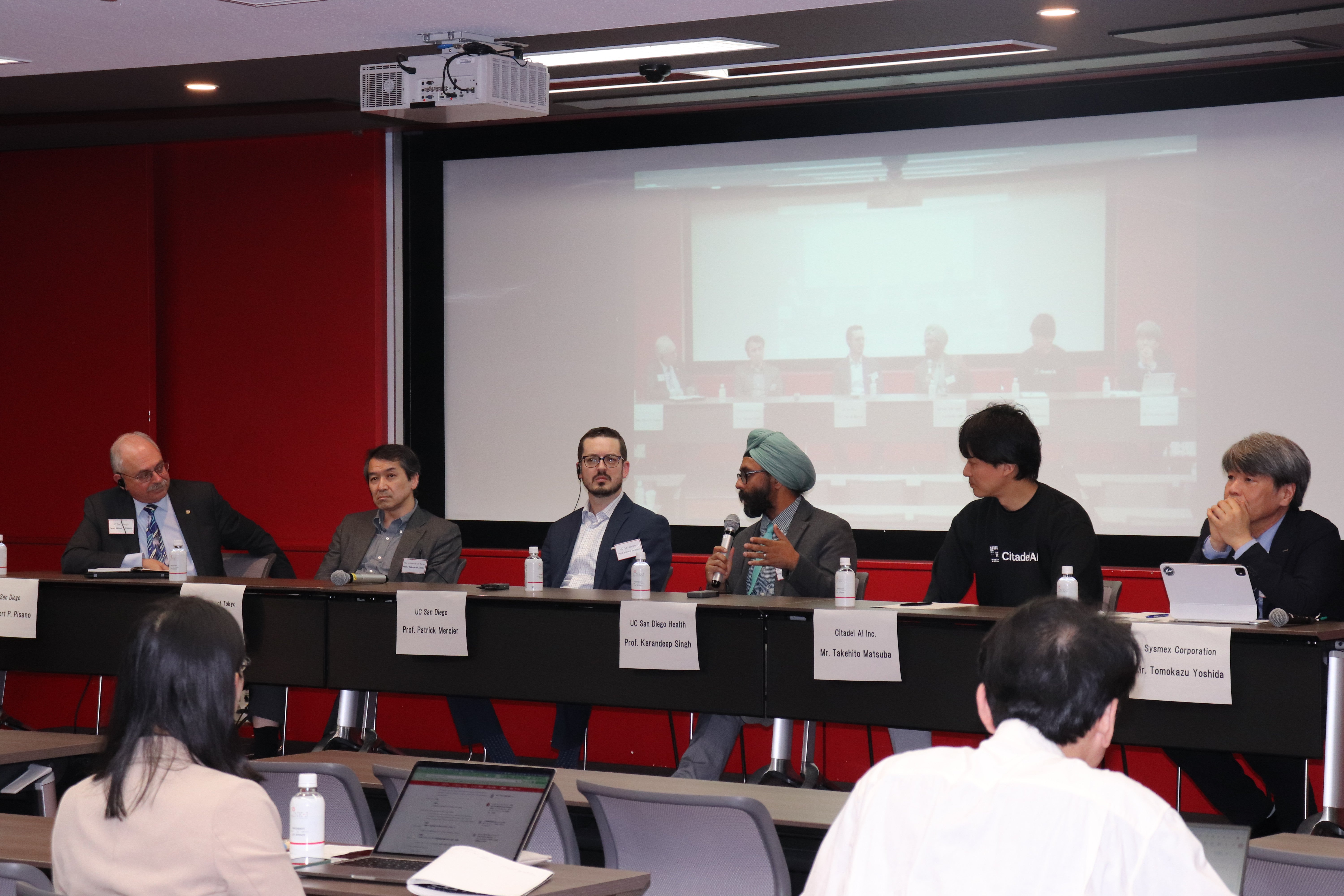
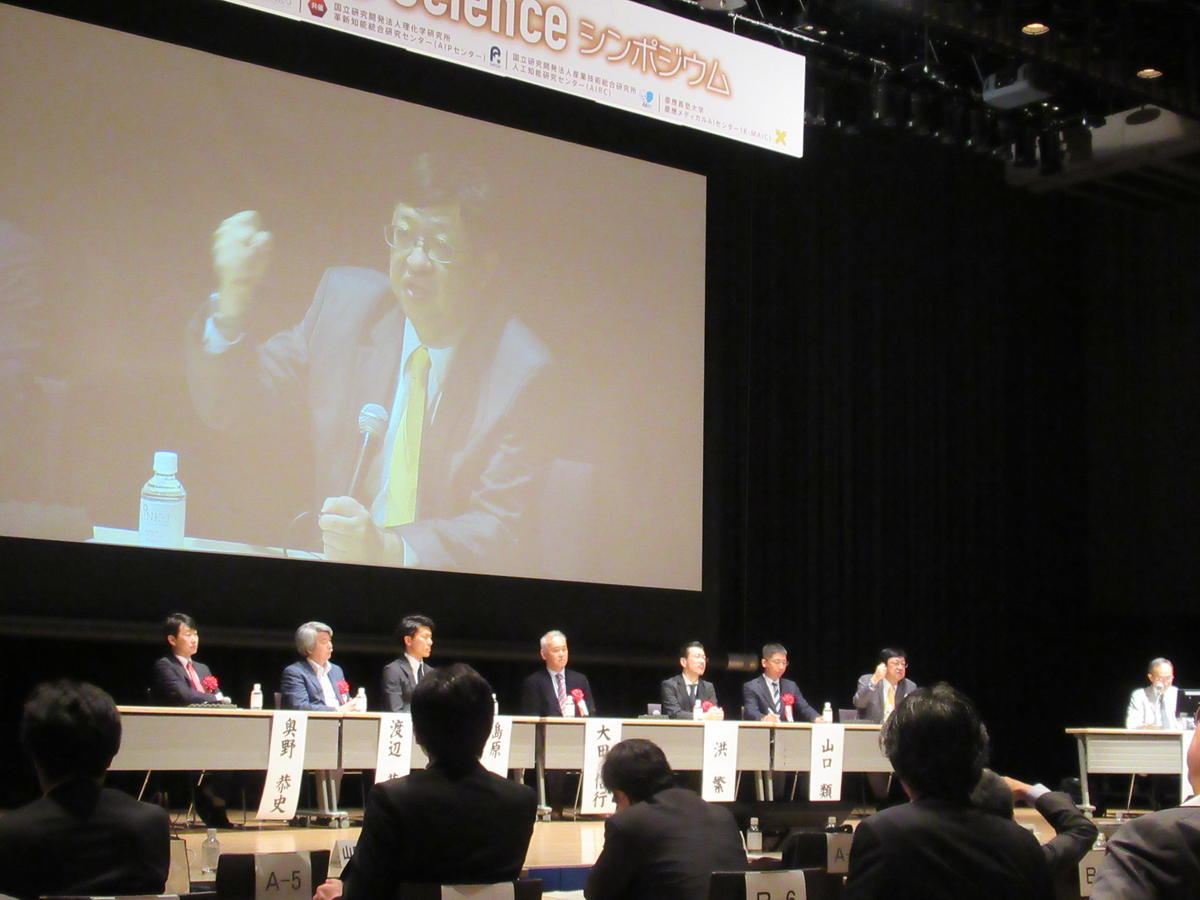
After the lectures, the panel discussion was held. Dean Pisano moderated the session, which included lively discussion and questions from the audience.
Closing Remarks
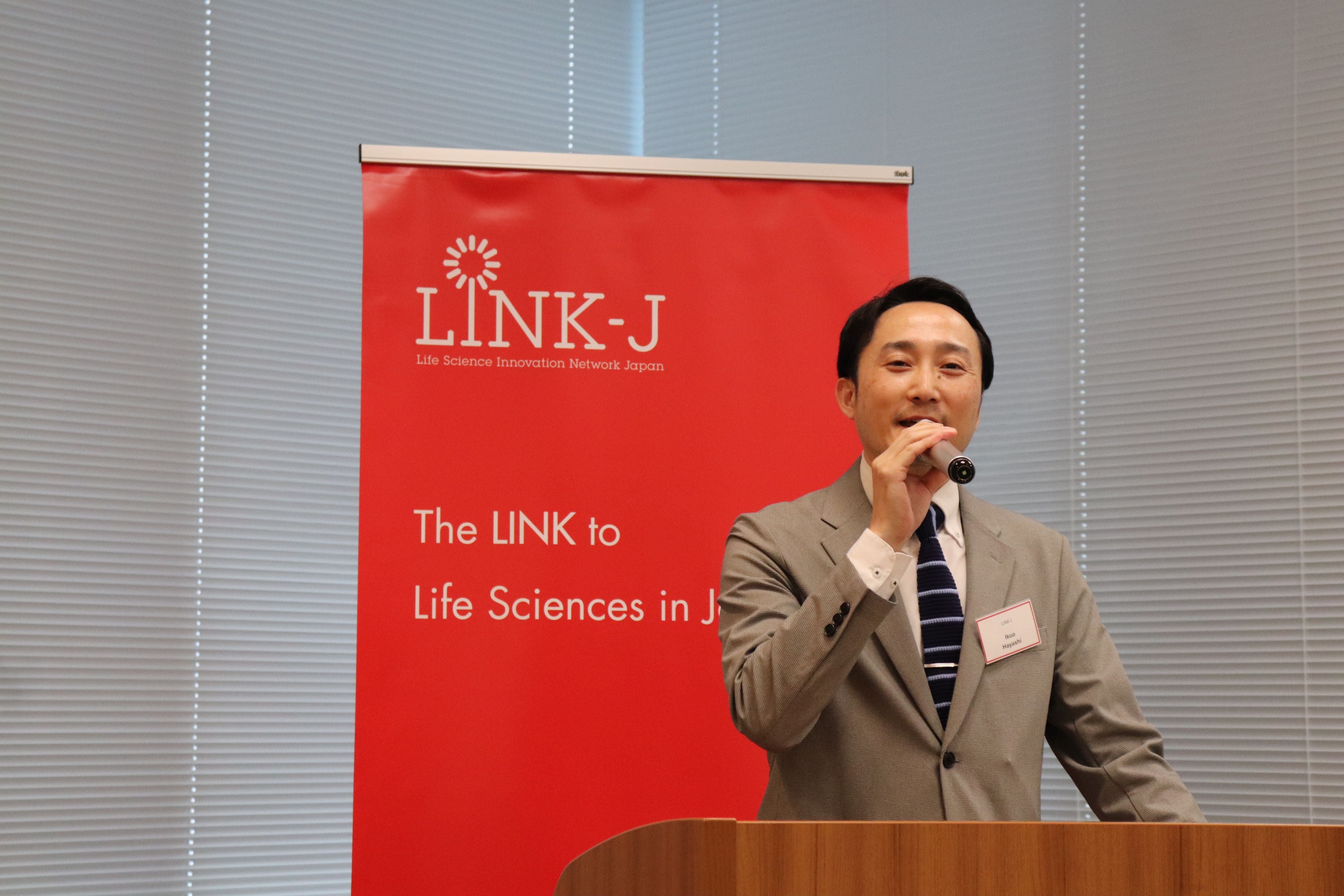
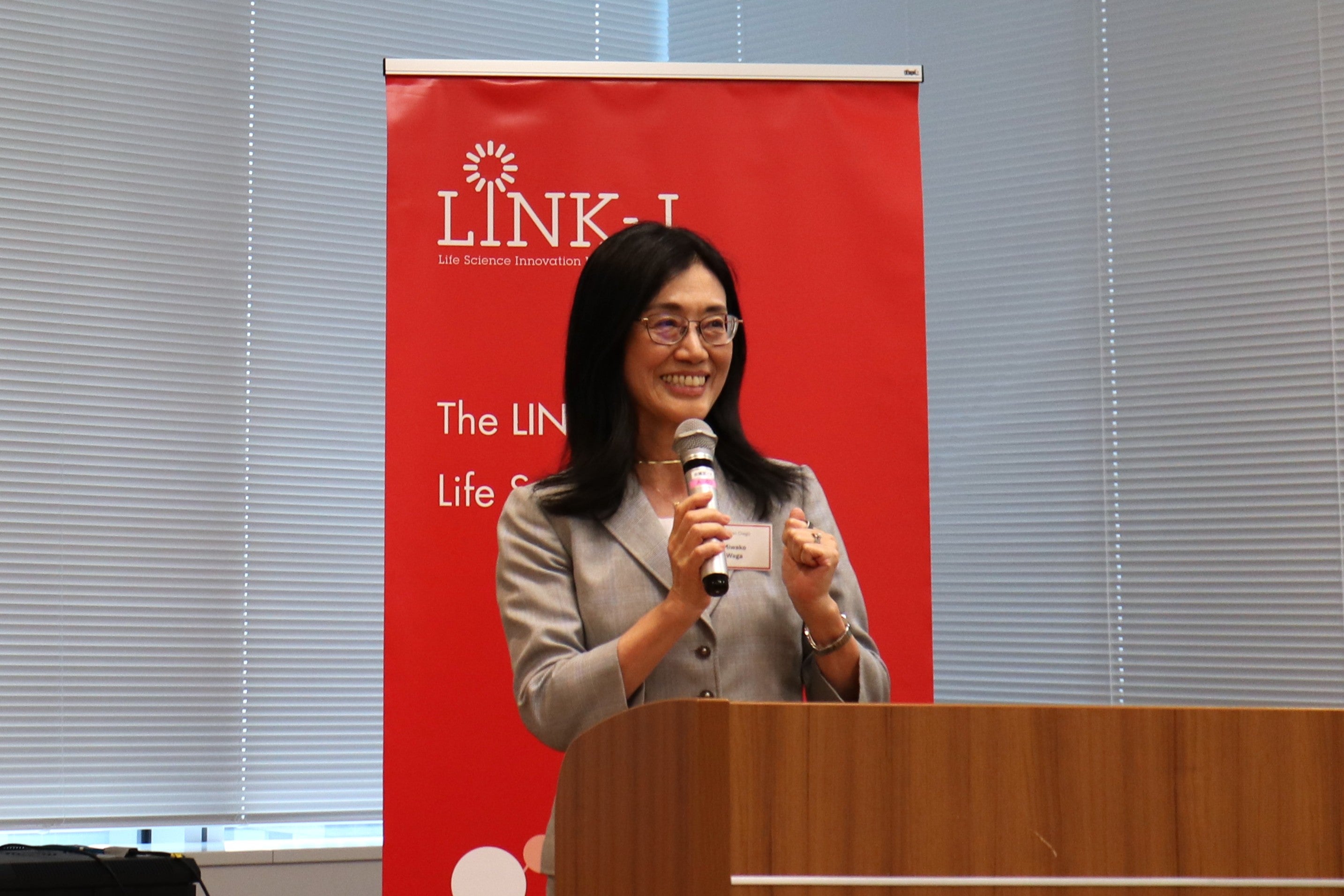
At the end of the seminar, closing remarks were given by Ikuo Hayashi of LINK-J and Ms. Miwako Waga (Senior Director for International Innovation Outreach, Office of Research and Innovation, University of California San Diego).
Networking Reception
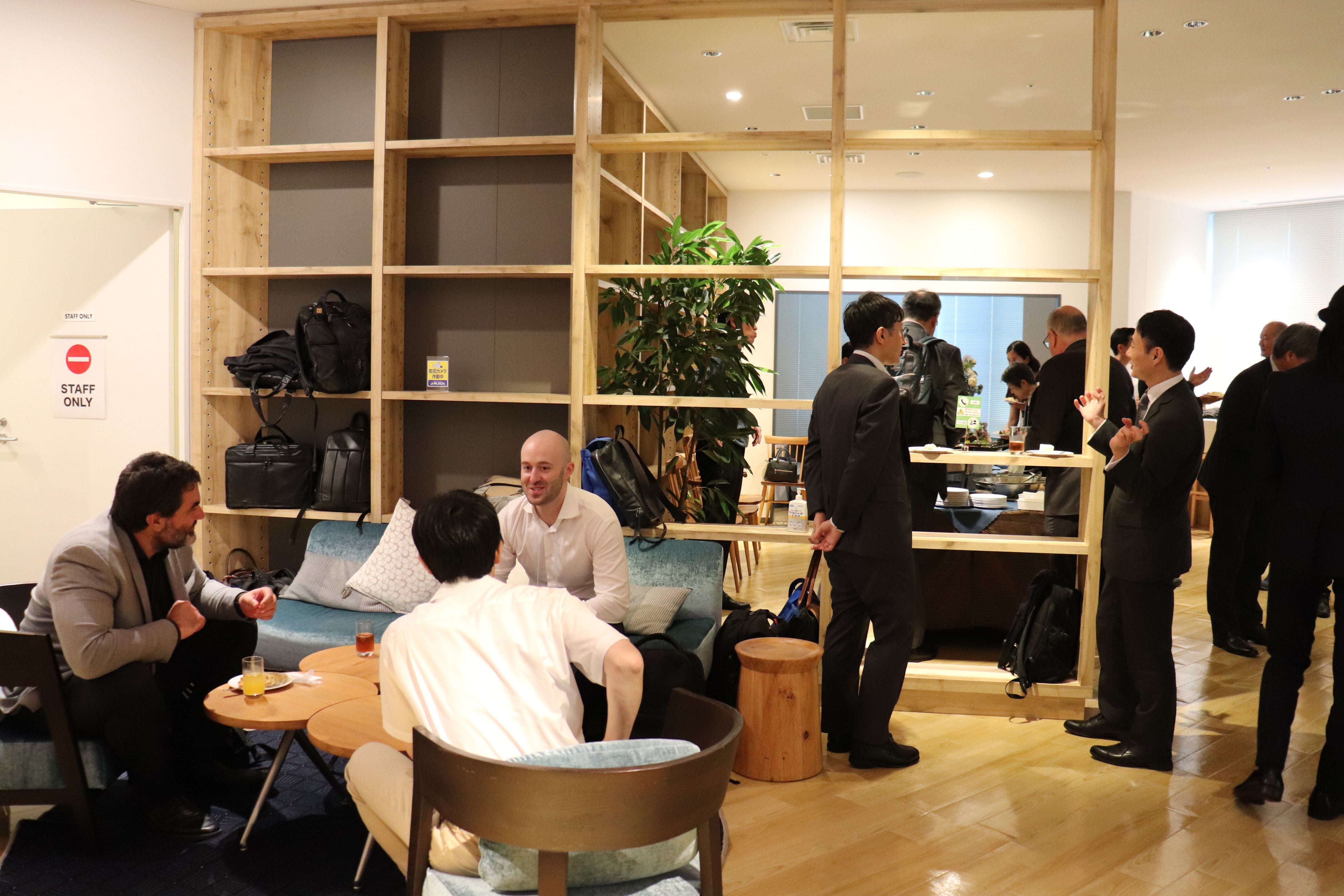
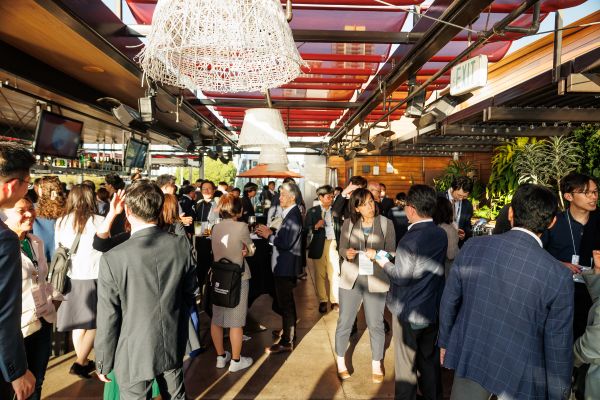
After the seminar, the networking reception was held. Lively exchanges of opinions took place around the speakers.
Thank you very much to everyone who participated and spoke at the event.