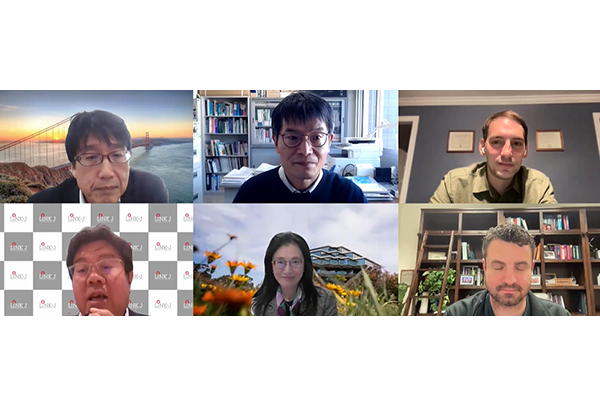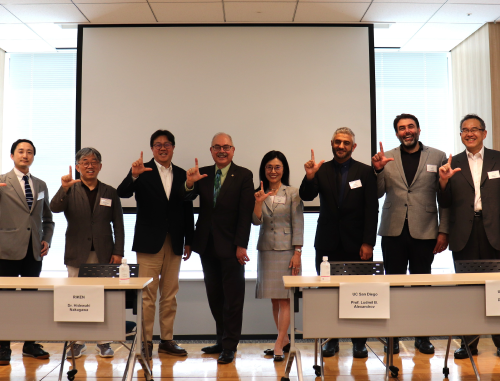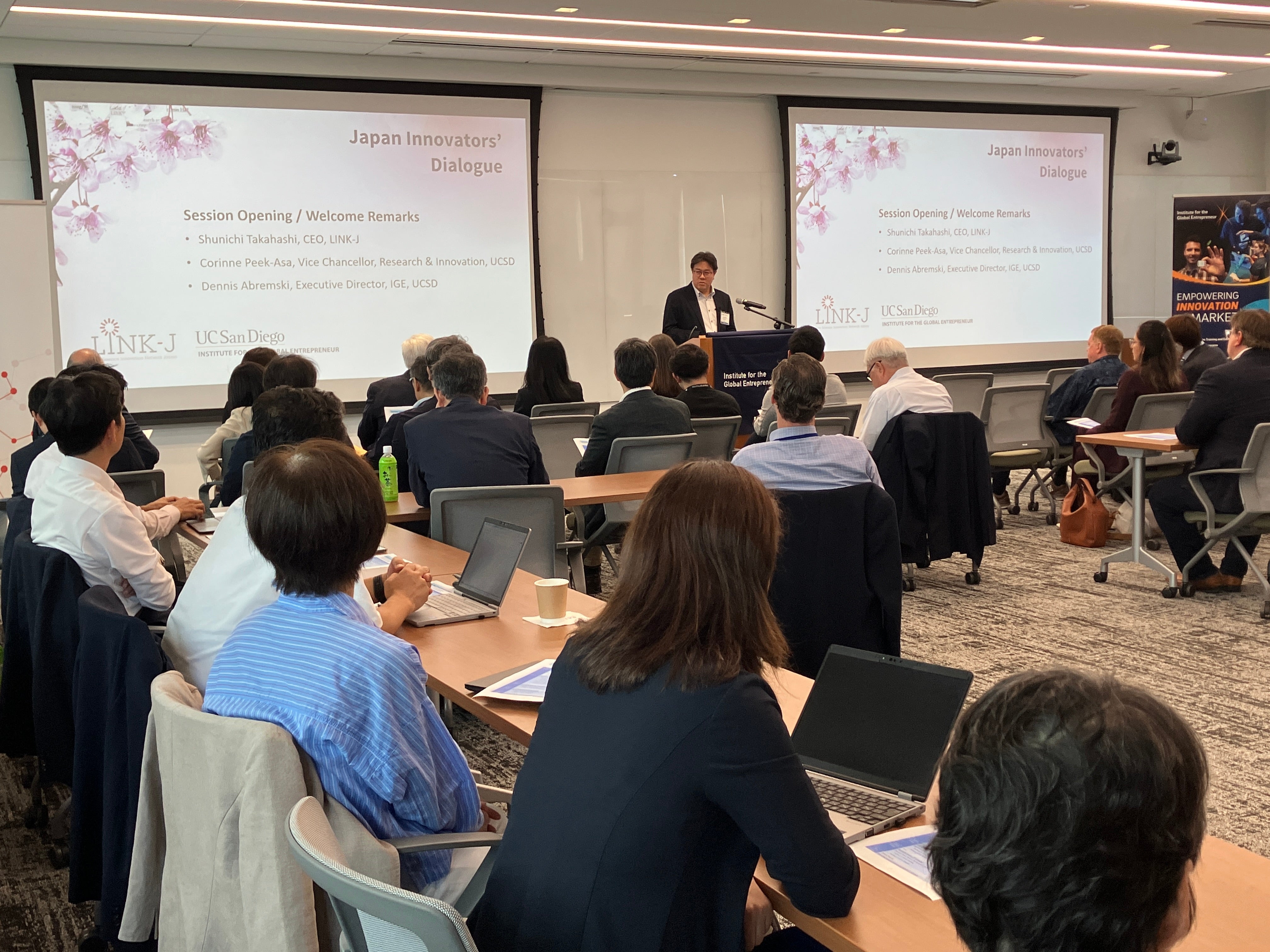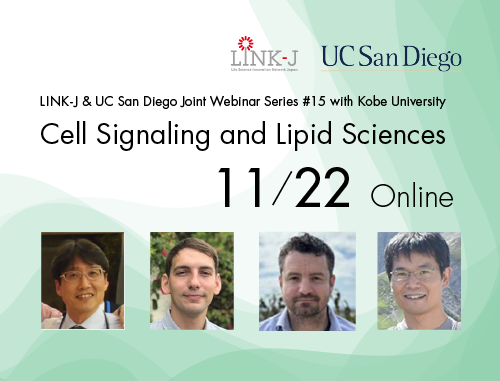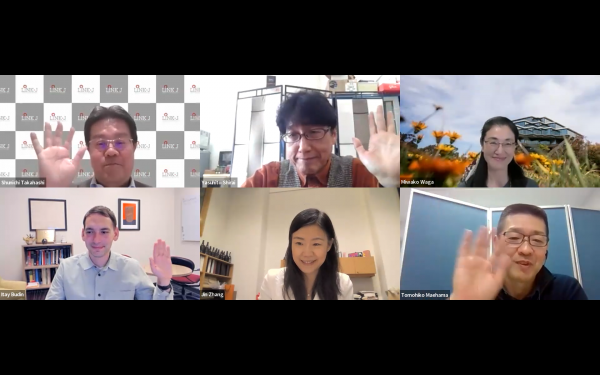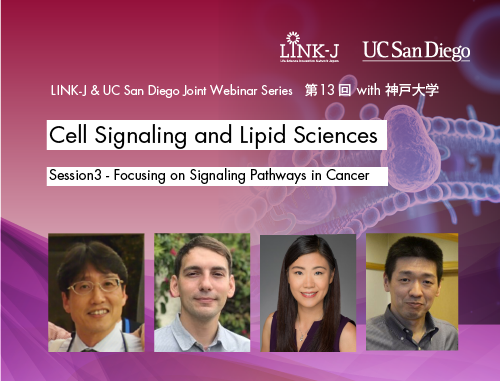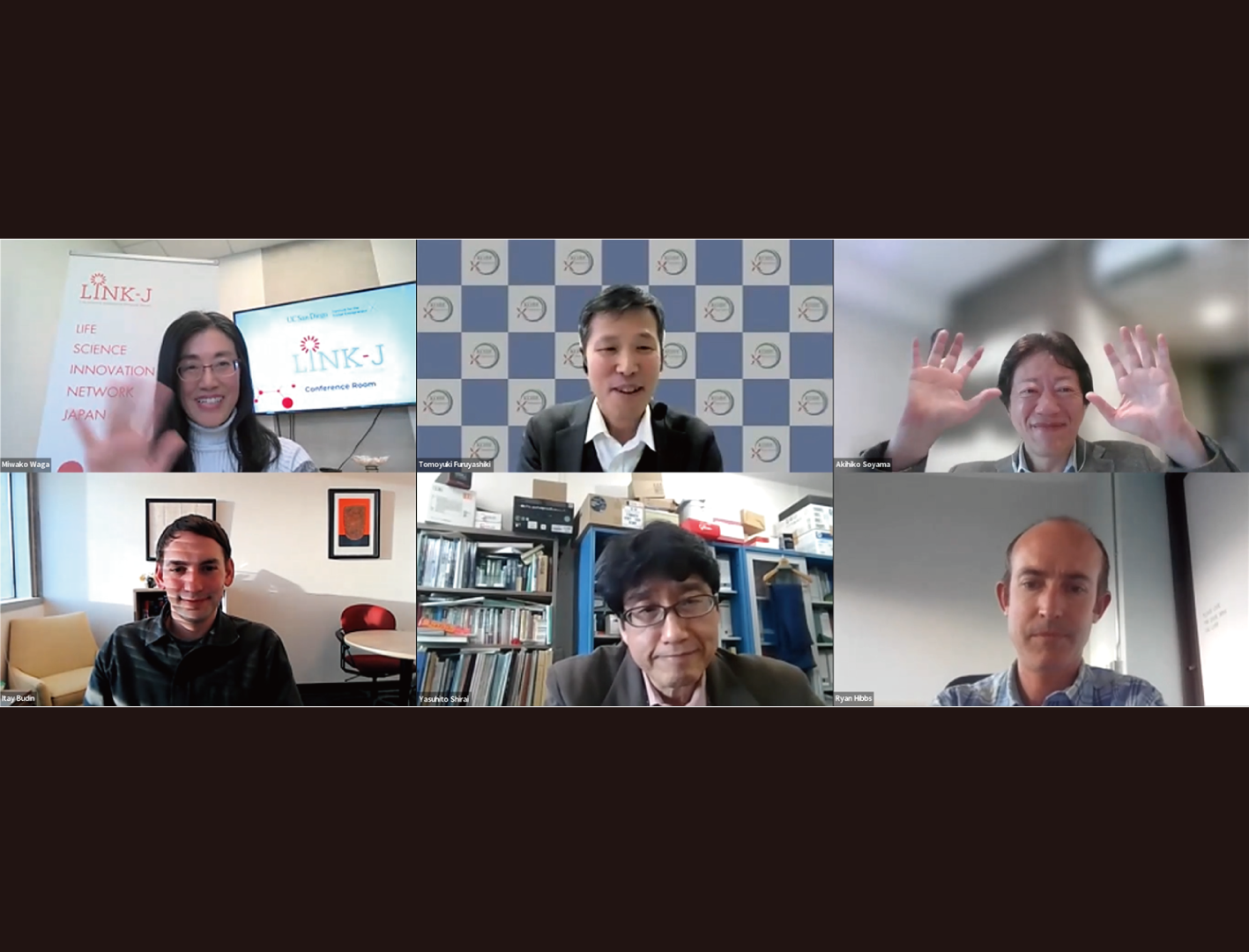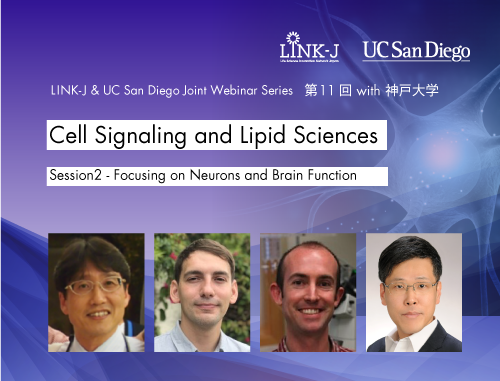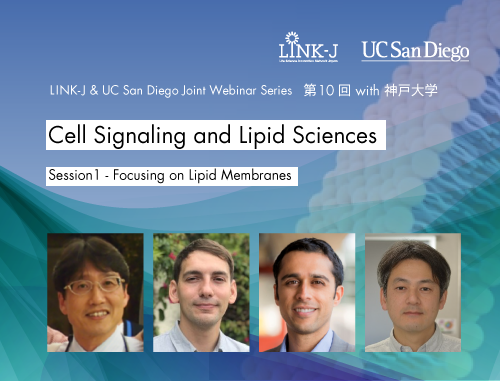












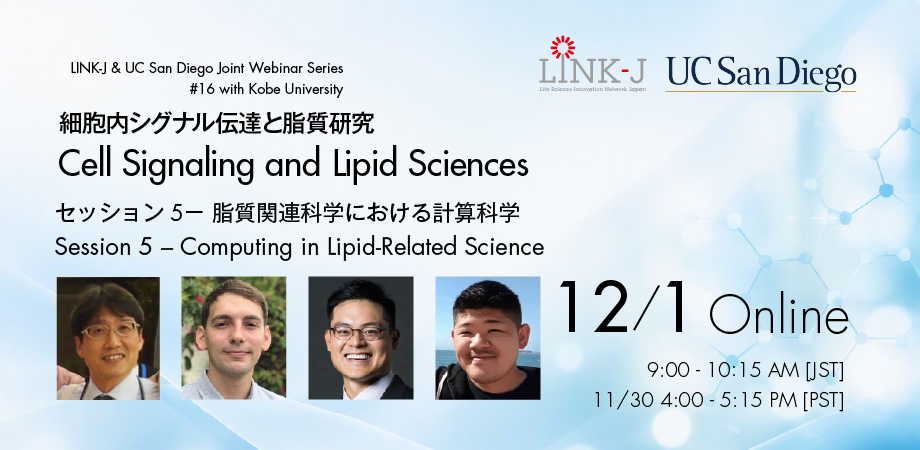
UC San Diego and Kobe University have promoted research collaborations over the years in the fields of life science, computational science, and structural engineering. Lipids in biology and biochemistry have been a topic of great mutual interest thanks to the expertise at both institutions. For the “Cell Signaling and Lipid Sciences” joint webinar series, UC San Diego Cell Signaling Center researchers will share some of the latest research findings along with colleagues at the Biosignal Research Center and the Center for Medical Transformation at Kobe University Graduate School of Medicine.
Lipid components of cell membranes and their interactions with proteins have critical roles in cell migration, apoptosis, differentiation, and many other dynamic processes underlying biological functions. Lipids and lipid metabolites are essential components of the structure and function of the brain, and their dysregulation is related to several neurological diseases. In fact, the brain has the highest lipid content in our bodies apart from adipose tissue. In other words, analyzing the interactions and functions of lipid membranes and proteins leads to a better understanding of and treatments for various diseases. In recent years, computational science has been used to analyze the interactions between lipid membranes and proteins. In this session, recent research on lipid membranes and lipid membrane-protein interactions using computational science will be introduced.
*Language:English (English-Japanese simultaneous interpretation available)
*English captions are available (you can choose to turn them on or off).
*Please note that LINK-J and UC San Diego are not responsible for any errors or omissions in the captions.
How to use captions: Managing and viewing closed captioning
For past UC San Diego-related events and reports, please click here.
Date: Mon, November 30th, 4:00-5:15pm (PST) / Tue, December 1st, 9:00-10:15am (JST)
Zoom Webinar
(Opens an external site)
Registration due date
Mon, November 30th, 5:15pm (PST) / Tue, December 1st, 10:15am (JST)
Program
| Japan Time | Pacific Time | Agenda |
| 9:00-9:02 | 4:00-4:02 | Welcome Ikuo Hayashi, LINK-J and Miwako Waga, UC San Diego |
| 9:02-9:03 | 4:02-4:03 | Brief Remarks Dr. Yasuhito Shirai, Professor and Dean, Graduate School of Agricultural Science, Kobe University |
| 9:03-9:05 | 4:03-4:05 | Brief Remarks and UC San Diego Speaker Introduction Dr. Itay Budin, Associate Professor and Bruno H. Zimm Faculty Scholar, Department of Chemistry & Biochemistry and Bioengineering, UC San Diego |
| 9:05-9:30 | 4:05-4:30 | Presentation “Multiscale simulations reveal how saturated cardiolipins disrupt mitochondrial structure” Dr. Christopher Lee, Assistant Professor, Department of Molecular Biology, UC San Diego |
| 9:30-9:34 | 4:30-4:34 | Q&A Moderated by Dr. Itay Budin |
| 9:34-9:35 | 4:34-4:35 | Kobe University speaker introduction Dr. Yasuhito Shirai |
| 9:35-10:00 | 4:35-5:00 | Presentation “Computational Insights into Phospholipase A2: From Substrate Recognition to Biological Function” Dr. Daiki Hayashi, Assistant Professor, Graduate School of Agricultural Science Department of Applied Chemistry in Bioscience, Kobe University |
| 10:00-10:14 | 5:00-5:14 | Q&A and Discussion Moderated by Dr. Yasuhito Shirai and Dr. Itay Budin |
| 10:14-10:15 | 5:14-5:15 | Closing Remarks Ikuo Hayashi, LINK-J and Miwako Waga, UC San Diego |
Presentation Summary
Dr. Lee's talk
"Multiscale simulations reveal how saturated cardiolipins disrupt mitochondrial structure"
Cristae, the high-curvature folds of the inner mitochondrial membrane, are crucial for ATP production. Cristae-shaping proteins are well known, but the role of lipids in cristae-shaping has been less understood.
In collaboration with the Budin Lab, we found that increasing lipid saturation causes an abrupt collapse in cristae structure.
Using a combination of molecular dynamics simulations and continuum membrane mechanics, we show that this behavior where small changes in membrane properties trigger sudden cristae loss can be explained by a snap-through instability. Cardiolipin (CL) buffers the membrane against this collapse independently of ATP synthase dimerization, and CL is essential under low-oxygen conditions that promote saturation.
In Barth syndrome, loss of the CL-remodeling enzyme tafazzin leads to accumulation of both monolysocardiolipin (MLCL) and saturated CL.
While the MLCL:CL ratio has been a focus of ongoing therapeutic efforts, we recently discovered that saturated CL alone is enough to disrupt cristae structure.
Using molecular simulations of a variety of CL and MLCL saturation variants we explain how these species contribute to membrane rigidity and curvature which are critical to the stability of cristae membrane mechanics.
Dr. Hayashi's talk
"Computational Insights into Phospholipase A2: From Substrate Recognition to Biological Function"
Phospholipase A2 (PLA2) enzymes hydrolyze glycerophospholipids (GPLs), major components of biological membranes, and play diverse roles in maintaining membrane homeostasis and producing bioactive lipids. In humans, more than 1,000 distinct GPL species exist due to variations in fatty acyl chains, their linkage types, and polar headgroups. Therefore, understanding the substrate specificity of PLA2 enzymes is essential for elucidating their physiological functions.
However, the enormous diversity of GPL species has made it challenging to comprehensively characterize PLA2 substrate specificity.
We have previously employed molecular dynamics (MD) simulations to elucidate the substrate specificities of various PLA2 isoforms and their underlying structural and molecular determinants, thereby establishing a computational framework for investigating PLA2 substrate specificity.
More recently, we have extended this computational approach to elucidating PLA2 functions by investigating not only substrate recognition but also membrane recognition.
In particular, we have focused on ferroptosis, a form of regulated cell death driven by phospholipid peroxidation.
Several PLA2 enzymes have been reported to suppress ferroptosis by hydrolyzing peroxidized GPLs.
We have been investigating the molecular mechanisms underlying the recognition of peroxidized GPLs and how PLA2 enzymes recognize membrane environments containing peroxidized GPLs.
In this presentation, I will introduce computational approaches for investigating the substrate specificity and functions of PLA2 enzymes, as well as our recent findings that provide insights into how membrane environments influence PLA2 localization and function.
Biography
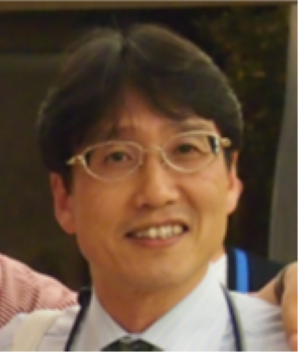 | Dr. Yasuhito Shirai, Professor and Dean, Graduate School of Agricultural Science, Kobe University Yasuhito Shirai is a Professor and Dean of the Graduate School of Agricultural Science at Kobe University. |
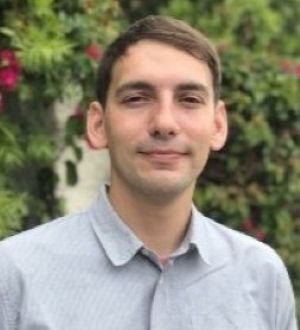 | Dr. Itay Budin, Associate Professor and Bruno H. Zimm Faculty Scholar, Department of Chemistry & Biochemistry and Bioengineering, UC San Diego Dr. Itay Budin is an Associate Professor and Bruno H. Zimm Faculty Scholar in the Departments of Chemistry & Biochemistry and Bioengineering at UC San Diego. Trained as a biophysicist, his lab investigates the interplay between lipid chemistry and cell membrane function. Dr. Budin received his PhD from Harvard University and carried out postdoctoral studies as a Miller Fellow at UC Berkeley. He is the recipient of the Walter Shaw Young Investigator Award in lipid biology from the American Society for Biochemistry and Molecular Biology and early career awards from the National Science Foundation and US Department of Energy. |
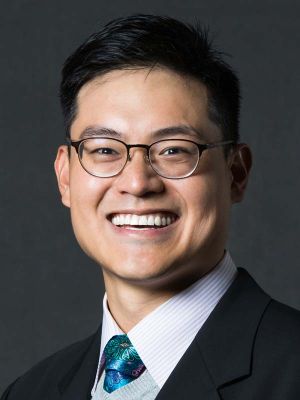 | Dr. Christopher Lee, Assistant Professor, Department of Molecular Biology, UC San Diego Chris Lee received a B.Sc. in chemistry, B.A. in computer science and a M.Sc. in biochemistry from the University of Virginia. He received his Ph.D. in 2019 from UC San Diego, where he worked with Drs. Rommie Amaro and J. Andrew McCammon on molecular simulations. He continued his research at UC San Diego working with Drs. Padmini Rangamani and Michael Holst working on models for cellular membrane mechanics and cell signaling. He joined the Molecular Biology faculty at UC San Diego in 2024. |
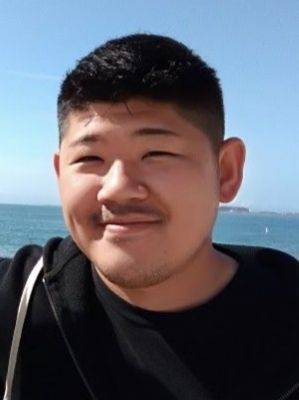 | Dr. Daiki Hayashi, Assistant Professor, Graduate School of Agricultural Science Department of Applied Chemistry in Bioscience, Kobe University Dr. Daiki Hayashi is an Assistant Professor at the Graduate School of Agricultural Science, Kobe University, Japan. He received his Ph.D. from Kobe University in 2018 under the supervision of Professor Yasuhito Shirai. He began his research on phospholipase A2 (PLA2) enzymes as a postdoctoral researcher in the laboratory of Professor Edward A. Dennis at the University of California, San Diego. In 2021, he joined the Graduate School of Agricultural Science at Kobe University as an Assistant Professor. His current research focuses on elucidating the molecular mechanisms and physiological functions of PLA2 enzymes, particularly in the context of ferroptosis, an iron-dependent form of regulated cell death. By integrating computational approaches, including molecular dynamics simulations and structure-based analyses, with biochemical and cell biological experiments, he aims to understand lipid–protein interactions and their roles in cellular signaling and disease. |
Participation Fee
Free
Capacity
1,000 people
Organizer
Organizer:LINK-J
Co-organizer:University of California San Diego
Contact
LINK-J
contact@link-j.org