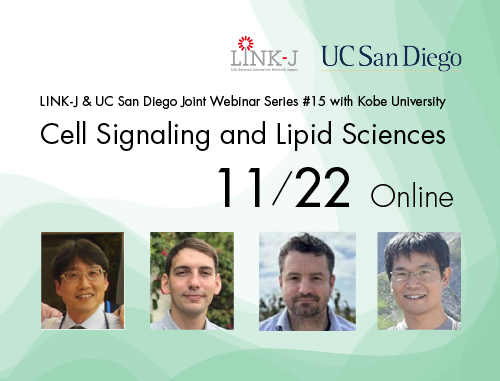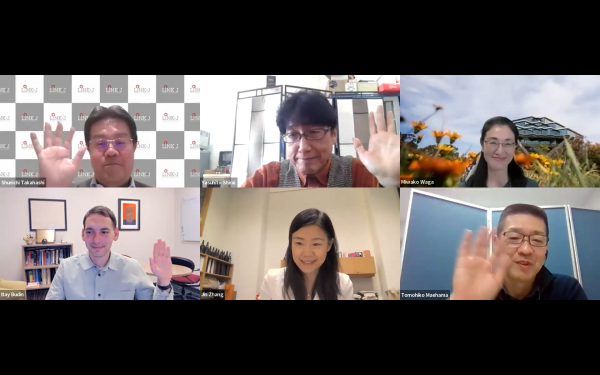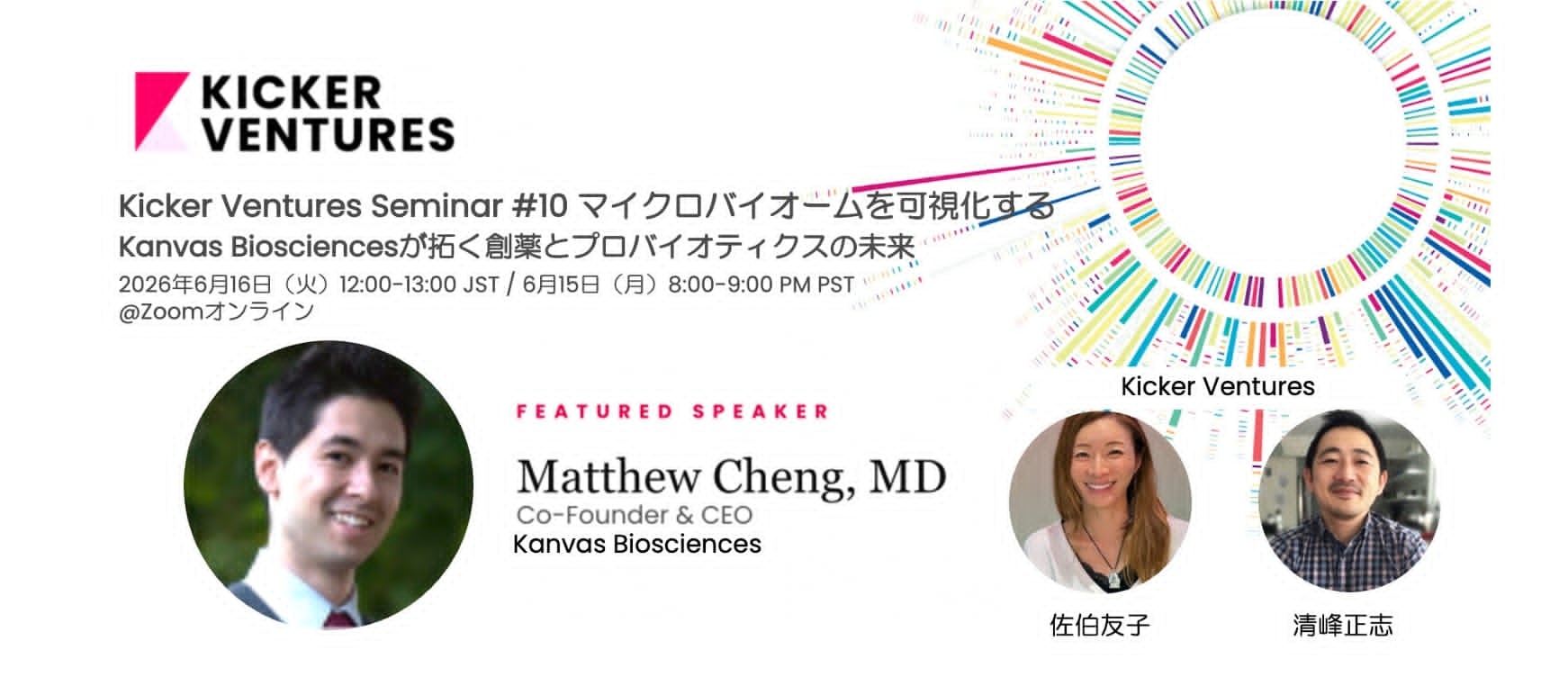












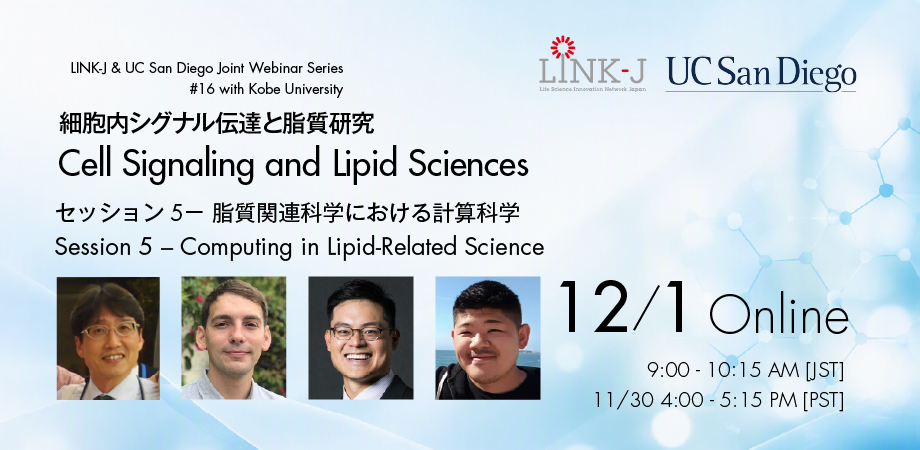
LINK-J & UCサンディエゴ ジョイントウェビナーシリーズ 第16回 with 神戸大学
UCサンディエゴと神戸大学は何年にもわたり生命科学、計算科学、構造工学の分野で共同研究を進めてきました。
特に両校が強みを持つ生物学、生化学における脂質研究は、双方の研究者が重点的に協力してきた分野です。
今回5回目となる「細胞内シグナル伝達と脂質研究」ジョイントウェビナーシリーズでは、UCサンディエゴのセルシグナリングセンターと神戸大学のバイオシグナル総合研究センター及びメディカルトランスフォーメーション研究センターの研究者が最新の研究成果をご紹介します。
細胞質膜の脂質組成やタンパク質との相互作用は、細胞の移動だけでなく、細胞分化やアポトーシスにも密接に関連しています。また、脂質やその代謝物は脳の構造や機能に重要であり、神経疾患にも関与しています。
実際に、脳は脂肪組織についで高濃度の脂質を有しています。即ち、脂質膜やタンパク質の相互作用や、機能を解析することは様々な病態の解明・治療につながります。
近年、脂質膜とタンパク質の相互作用を解析するために計算科学が利用されています。本セッションでは、最近の計算科学を利用した脂質膜や、脂質膜-タンパク質相互作用に関する研究をご紹介します。
※同時通訳あり
※英語字幕利用可能(オン/オフは自由に選択できます)
※字幕は市販されているアプリを使用しており、LINK-JおよびUC San Diegoは誤訳、訳文の欠落など、字幕に関する一切の責任は負えませんので、ご了解願います。
字幕利用方法:クローズドキャプションの管理と表示
日時: 2026年12月1日(火)9:00-10:15 AM(JST)/ 11月30日(月)4:00-5:15 PM(PST)
オンライン(Zoomウェビナー)
(外部サイトが開きます)
申込締切
2026年12月1日(火)10:15(JST)/2026年11月30日(月)17:15(PST)
プログラム
| 日本時間 | Pacific Time | 内容 |
| 9:00-9:02 | 4:00-4:02 | Welcome Ikuo Hayashi, LINK-J and Miwako Waga, UC San Diego |
| 9:02-9:03 | 4:02-4:03 | Brief Remarks Dr. Yasuhito Shirai, Professor and Dean, Graduate School of Agricultural Science, Kobe University |
| 9:03-9:05 | 4:03-4:05 | Brief Remarks and UC San Diego Speaker Introduction Dr. Itay Budin, Associate Professor and Bruno H. Zimm Faculty Scholar, Department of Chemistry & Biochemistry and Bioengineering, UC San Diego |
| 9:05-9:30 | 4:05-4:30 | Presentation “Multiscale simulations reveal how saturated cardiolipins disrupt mitochondrial structure” Dr. Christopher Lee, Assistant Professor, Department of Molecular Biology, UC San Diego |
| 9:30-9:34 | 4:30-4:34 | Q&A Moderated by Dr. Itay Budin |
| 9:34-9:35 | 4:34-4:35 | Kobe University speaker introduction Dr. Yasuhito Shirai |
| 9:35-10:00 | 4:35-5:00 | Presentation “Computational Insights into Phospholipase A2: From Substrate Recognition to Biological Function” Dr. Daiki Hayashi, Assistant Professor, Graduate School of Agricultural Science Department of Applied Chemistry in Bioscience, Kobe University |
| 10:00-10:14 | 5:00-5:14 | Q&A and Discussion Moderated by Dr. Yasuhito Shirai and Dr. Itay Budin |
| 10:14-10:15 | 5:14-5:15 | Closing Remarks Ikuo Hayashi, LINK-J and Miwako Waga, UC San Diego |
講演概要
Lee先生ご講演
"Multiscale simulations reveal how saturated cardiolipins disrupt mitochondrial structure"
Cristae, the high-curvature folds of the inner mitochondrial membrane, are crucial for ATP production. Cristae-shaping proteins are well known, but the role of lipids in cristae-shaping has been less understood.
In collaboration with the Budin Lab, we found that increasing lipid saturation causes an abrupt collapse in cristae structure.
Using a combination of molecular dynamics simulations and continuum membrane mechanics, we show that this behavior where small changes in membrane properties trigger sudden cristae loss can be explained by a snap-through instability. Cardiolipin (CL) buffers the membrane against this collapse independently of ATP synthase dimerization, and CL is essential under low-oxygen conditions that promote saturation.
In Barth syndrome, loss of the CL-remodeling enzyme tafazzin leads to accumulation of both monolysocardiolipin (MLCL) and saturated CL.
While the MLCL:CL ratio has been a focus of ongoing therapeutic efforts, we recently discovered that saturated CL alone is enough to disrupt cristae structure.
Using molecular simulations of a variety of CL and MLCL saturation variants we explain how these species contribute to membrane rigidity and curvature which are critical to the stability of cristae membrane mechanics.
林先生ご講演
"Computational Insights into Phospholipase A2: From Substrate Recognition to Biological Function"
Phospholipase A2 (PLA2) enzymes hydrolyze glycerophospholipids (GPLs), major components of biological membranes, and play diverse roles in maintaining membrane homeostasis and producing bioactive lipids. In humans, more than 1,000 distinct GPL species exist due to variations in fatty acyl chains, their linkage types, and polar headgroups. Therefore, understanding the substrate specificity of PLA2 enzymes is essential for elucidating their physiological functions.
However, the enormous diversity of GPL species has made it challenging to comprehensively characterize PLA2 substrate specificity.
We have previously employed molecular dynamics (MD) simulations to elucidate the substrate specificities of various PLA2 isoforms and their underlying structural and molecular determinants, thereby establishing a computational framework for investigating PLA2 substrate specificity.
More recently, we have extended this computational approach to elucidating PLA2 functions by investigating not only substrate recognition but also membrane recognition.
In particular, we have focused on ferroptosis, a form of regulated cell death driven by phospholipid peroxidation.
Several PLA2 enzymes have been reported to suppress ferroptosis by hydrolyzing peroxidized GPLs.
We have been investigating the molecular mechanisms underlying the recognition of peroxidized GPLs and how PLA2 enzymes recognize membrane environments containing peroxidized GPLs.
In this presentation, I will introduce computational approaches for investigating the substrate specificity and functions of PLA2 enzymes, as well as our recent findings that provide insights into how membrane environments influence PLA2 localization and function.
ご略歴
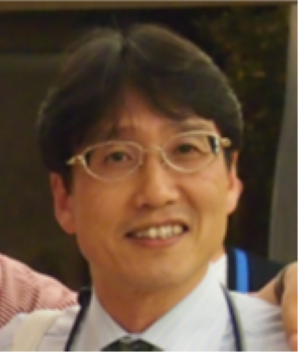 | Dr. Yasuhito Shirai, Professor and Dean, Graduate School of Agricultural Science, Kobe University Yasuhito Shirai is a Professor and Dean of the Graduate School of Agricultural Science at Kobe University. |
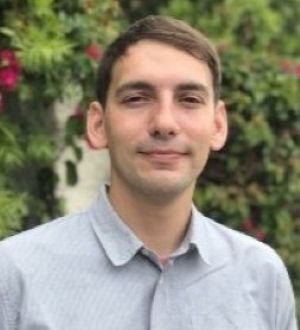 | Dr. Itay Budin, Associate Professor and Bruno H. Zimm Faculty Scholar, Department of Chemistry & Biochemistry and Bioengineering, UC San Diego Dr. Itay Budin is an Associate Professor and Bruno H. Zimm Faculty Scholar in the Departments of Chemistry & Biochemistry and Bioengineering at UC San Diego. Trained as a biophysicist, his lab investigates the interplay between lipid chemistry and cell membrane function. Dr. Budin received his PhD from Harvard University and carried out postdoctoral studies as a Miller Fellow at UC Berkeley. He is the recipient of the Walter Shaw Young Investigator Award in lipid biology from the American Society for Biochemistry and Molecular Biology and early career awards from the National Science Foundation and US Department of Energy. |
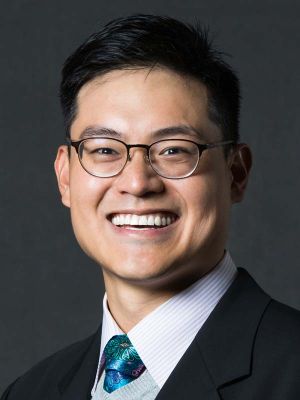 | Dr. Christopher Lee, Assistant Professor, Department of Molecular Biology, UC San Diego Chris Lee received a B.Sc. in chemistry, B.A. in computer science and a M.Sc. in biochemistry from the University of Virginia. He received his Ph.D. in 2019 from UC San Diego, where he worked with Drs. Rommie Amaro and J. Andrew McCammon on molecular simulations. He continued his research at UC San Diego working with Drs. Padmini Rangamani and Michael Holst working on models for cellular membrane mechanics and cell signaling. He joined the Molecular Biology faculty at UC San Diego in 2024. |
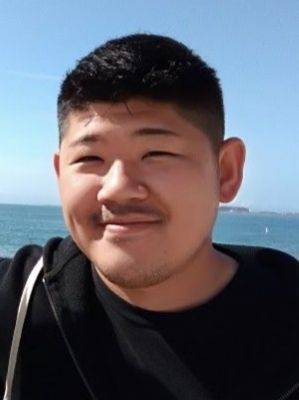 | Dr. Daiki Hayashi, Assistant Professor, Graduate School of Agricultural Science Department of Applied Chemistry in Bioscience, Kobe University Dr. Daiki Hayashi is an Assistant Professor at the Graduate School of Agricultural Science, Kobe University, Japan. He received his Ph.D. from Kobe University in 2018 under the supervision of Professor Yasuhito Shirai. He began his research on phospholipase A2 (PLA2) enzymes as a postdoctoral researcher in the laboratory of Professor Edward A. Dennis at the University of California, San Diego. In 2021, he joined the Graduate School of Agricultural Science at Kobe University as an Assistant Professor. His current research focuses on elucidating the molecular mechanisms and physiological functions of PLA2 enzymes, particularly in the context of ferroptosis, an iron-dependent form of regulated cell death. By integrating computational approaches, including molecular dynamics simulations and structure-based analyses, with biochemical and cell biological experiments, he aims to understand lipid–protein interactions and their roles in cellular signaling and disease. |
参加費
無料(要事前登録)
定員
1,000名
主催
主催:LINK-J 共催:UC San Diego
お問い合わせ先
LINK-J事務局 contact@link-j.org