
















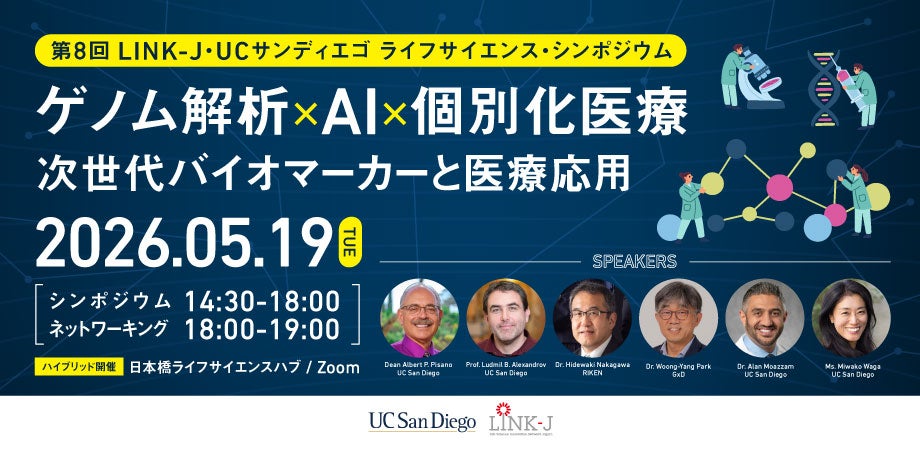
第8回 LINK-J・UCサンディエゴ ライフサイエンス・シンポジウム
近年、次世代シーケンシング技術の飛躍的な進歩により、ヒトゲノム情報の取得はかつてないスピードと精度で可能となりました。同時に、人工知能(AI)および機械学習の発展が、大規模かつ複雑なゲノムデータの解析能力を飛躍的に向上させています。これらの融合により、医療は「平均的治療」から「個別化医療(プレシジョン・メディシン)」へと大きく舵を切りつつあります。
本シンポジウムでは、ゲノム解析とAIの融合がもたらす診断・治療・創薬の革新について、最新の研究動向と実用化事例を交えながら多角的に議論します。特に、疾患リスク予測、早期診断、最適治療選択、さらには新規創薬ターゲットの同定に至るまで、データ駆動型医療の全体像を明らかにします。
基調講演には、変異シグネチャ解析の第一人者である Ludmil Alexandrov 先生(University of California San Diego)をお迎えし、ゲノム変異の体系的理解とAIの活用による新たな疾患解釈の最前線をご紹介いただきます。Alexandrov博士は、がんゲノムに刻まれた変異シグネチャ(mutational signatures)の体系的解明を通じて、DNA損傷や修復異常、環境要因などの「疾患の原因プロセス」を可視化する革新的手法を確立してました。近年では、大規模ゲノムデータに対する高度な計算手法およびAIを活用することで、従来は捉えられなかった微細な変異パターンを抽出し、診断・治療選択に直結するバイオマーカーとしての応用を切り拓いています。
さらに、理化学研究所生命医科学研究センターがんゲノム研究チームディレクターの中川 英刀博士からは、日本における大規模ゲノム研究と臨床実装の現状と展望について、また GxD社代表取締役のWoong-Yang Park 氏からは、個別化治療法の開発と新薬開発プロセスの革新についてご講演いただきます。
UC San Diegoからの2人目の講演者として、米国の健康保険制度に詳しく医学部生を対象として保険償還制度等に関する講義も行っている内科医のAlan Moazzam博士にご登壇いただきます。Moazzam博士の講演を通じて、ゲノム解析を個別化医療の現場でバイオマーカーとして利用するようなイノベーションを実現するために必要となる戦略思考の一端を学ぶことができます。
本シンポジウムは、アカデミア・研究機関・企業の垣根を越え、ゲノムデータとAIを活用した個別化医療の未来像を共有し、新たな連携とイノベーション創出の契機となることを目指します。
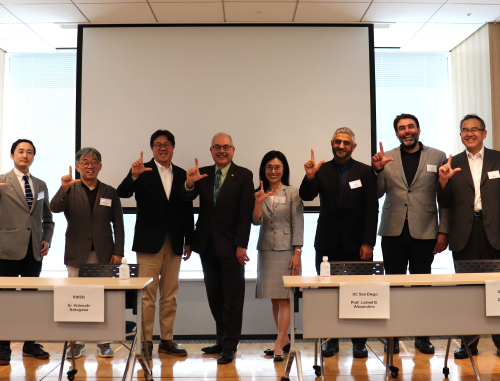
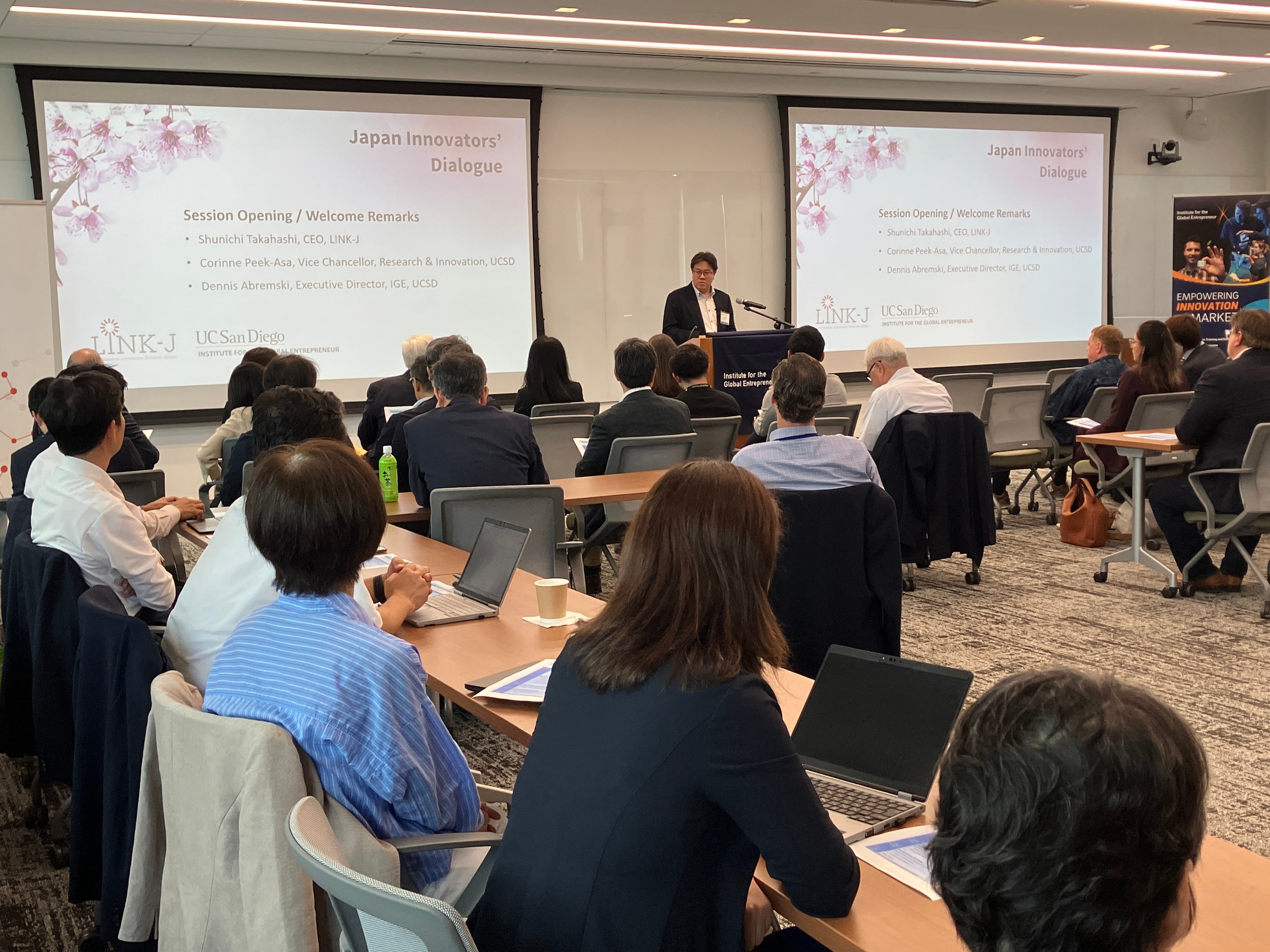
LINK-Jでは、2018年以来、UCサンディエゴと協力して、ライフサイエンスに関連したトピックスを取り上げた特別シンポジウムを日本橋で開催してきました。このシンポジウムでは、アカデミアと産業界のリーダーをお招きしてトピックスの分野における最新動向について議論し、参加者の皆様に最先端の研究とそれらを実用化する意義についてお伝えします。これまで、マイクロバイオーム、システムバイオロジー、精密医療、バイオものづくり、ヘルスケアエンジニアリングなどを取り上げてきましたが、第8回目となる今回は、「ゲノム解析 × AI ×個別化医療」を取り上げます。
登壇者も来場しますので、ぜひリアル会場でのご参加をお待ちしております。
※同時通訳あり
※英語字幕利用可能(オン/オフは自由に選択できます)
※LINK-JおよびUC San Diegoは誤訳、訳文の欠落など、字幕に関する一切の責任は負えませんので、ご了解願います
字幕利用方法:クローズドキャプションの管理と表示
日時: 2026年5月19日(火)14:30-19:00(14:15開場、18:00~リアル会場のみネットワーキング)
日本橋ライフサイエンスハブ/オンライン(Zoom webinar)
(外部サイトが開きます)
申込締切
リアル会場:2026年5月18日(月)正午まで
オンライン:2026年5月19日(火)18:00まで
事前申込時の参加費の支払い方法はクレジットカードのみとなります。
お支払いに関する問合わせは、LINK-J事務局(contact@link-j.org)までご連絡ください。
領収書は、マイページよりダウンロードいただけます。
プログラム
| 時間 | 内容 |
| 14:15 | 開場 |
| 14:30-14:40 | 開会挨拶 高橋 俊一(一般社団法人 LINK-J 常務理事、筑波大学 客員教授) Dean Albert P. Pisano (Dean and Distinguished Professor, Jacobs School of Engineering / Special Advisor to the Chancellor, University of California San Diego) |
| 14:40-15:25 | 基調講演 「Genome Analysis and AI for Cancer Prevention and Precision Medicine」 Prof. Ludmil B. Alexandrov, Ph.D.(Professor, Department of Cellular and Molecular Medicine and Shu Chien-Gene Lay Department of Bioengineering, UC San Diego) |
| 15:25-15:55 | ご講演 「がんの先端ゲノム解析とその医療実装」 中川 英刀 先生(国立研究開発法人理化学研究所 チームリーダー) |
| 15:55-16:05 | 休憩 |
| 16:05-16:35 | ご講演 「IntelliMed: An AI-Powered Multi-Omics Platform for Smarter Drug Discovery and Clinical Development」 Dr. Woong-Yang Park, MD, PhD (Chair, GxD) |
| 16:35-17:05 | ご講演 Dr. Alan Moazzam, MD, MBA, FACP(Health Sciences Assistant Clinical Professor, Division of Hospital Medicine & Advisor to the Institute for the Global Entrepreneur (IGE), UC San Diego) |
| 17:05-17:20 | 休憩 |
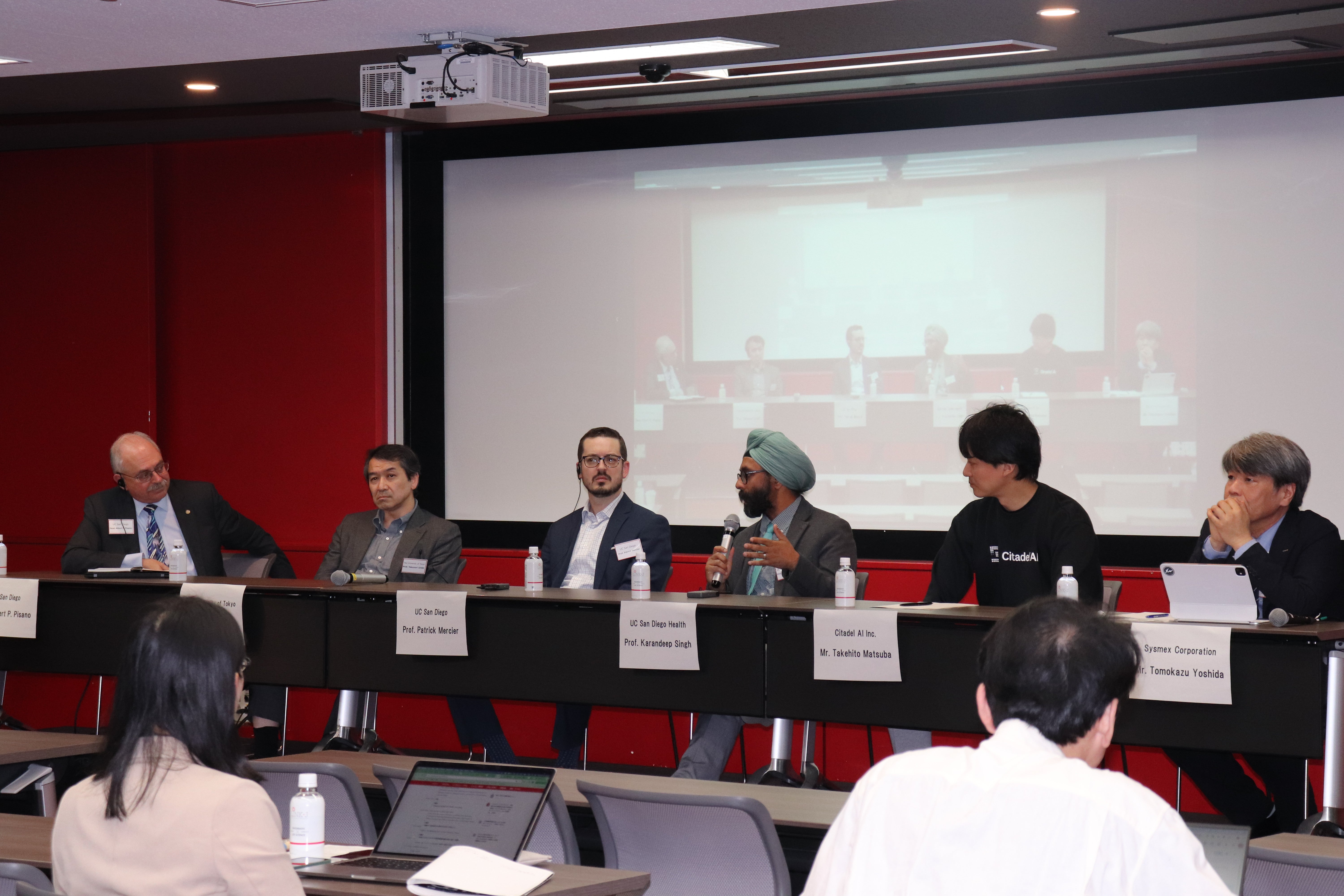
| 17:20-17:50 | パネルディスカッション モデレーター: Dean Albert P. Pisano (Dean and Distinguished Professor, Jacobs School of Engineering / Special Advisor to the Chancellor, University of California San Diego) パネリスト: 登壇者 |
| 17:50-17:55 | クロージング 林 幾雄(一般社団法人 LINK-J 事務局長) Miwako Waga (Senior Director for International Innovation Outreach, Office of Research and Innovation, UC San Diego) |
| 18:00-19:00 | ネットワーキング ※リアル会場限定 |
登壇者
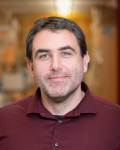 | Prof. Ludmil B. Alexandrov, Ph.D. Professor, Department of Cellular and Molecular Medicine and Shu Chien-Gene Lay Department of Bioengineering, UC San Diego Ludmil B. Alexandrov, PhD, is a Professor of Bioengineering and Cellular & Molecular Medicine at the University of California San Diego. He is internationally recognized for founding the field of mutational signatures and establishing a quantitative framework to decode the biological, environmental, and endogenous processes that shape cancer genomes. His work transformed cancer genomics from descriptive cataloging into a mechanistic science capable of identifying the causes of cancer directly from DNA. Dr. Alexandrov’s research has uncovered major environmental and microbial drivers of human cancer, including demonstrating the mutagenic role of air pollution in lung cancer among never-smokers and identifying colibactin as a likely contributor to the global rise in early-onset colorectal cancer. More broadly, his work bridges genomics and artificial intelligence to enable cancer risk stratification, early detection, and precision treatment strategies. He has authored over 160 peer-reviewed publications, including over 30 papers in Nature, Science, and Cell, and has been recognized annually since 2019 as a Clarivate Highly Cited Researcher. He is an elected Fellow of the American Institute for Medical and Biological Engineering (AIMBE). |
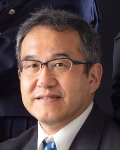 | 中川 英刀 先生 国立研究開発法人理化学研究所 チームリーダー 1991年 大阪大学医学部医学科卒業 1991年 大阪大学医学部第2外科 1992年 大阪大学医学部付属病院 ICU 1993年 国立大阪病院外科 1996年 大阪大学医学部第2外科 1999年 The Ohio State University, USA 2003年 東京大学医科学研究所 ヒトゲノム解析センター 2008年~ 理化学研究所 チームリーダー 2015年~ AMED バイオバンク/ゲノム関係 PO 資格: 日本外科学会認定医、日本消化器外科学会認定医、日本がん治療認定医、臨床遺伝専門医 現在の研究テーマ: ①がんゲノム解析 ②腫瘍免疫、single-cell解析、ST解析 ③がんの遺伝的リスク、遺伝性腫瘍 ④ゲノム医療 |
.png) | Dr. Woong-Yang Park, MD, PhD Chair, GxD IntelliMed is an AI-powered drug discovery platform designed to help pharmaceutical companies identify high-value therapeutic targets, discover predictive biomarkers, and optimize clinical development strategies. By integrating clinically annotated genomics, single-cell and spatial omics, pathology, and treatment-response data, IntelliMed provides a comprehensive framework to understand disease biology in real clinical contexts. The platform is particularly powerful for revealing tumor–microenvironment interactions, target expression patterns, resistance mechanisms, and patient subgroups most likely to benefit from specific therapies. Built for translational and clinical applications, IntelliMed supports target prioritization, biomarker hypothesis generation, patient stratification, and indication expansion across oncology programs, including targeted therapies, immuno-oncology, and ADC development. Its AI-driven analytics enable pharma partners to move beyond descriptive data analysis toward actionable decision-making grounded in human clinical samples. By combining advanced multi-omics interpretation with scalable computational models, IntelliMed aims to reduce development risk, improve trial success rates, and accelerate the delivery of precision medicines to patients. |
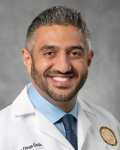 | Dr. Alan Moazzam, MD, MBA, FACP Alan Moazzam MD MBA FACP is a board-certified internal medicine physician who specializes in caring for hospitalized patients. Dr. Moazzam completed his residency in internal medicine at USC Los Angeles County Hospital. He earned his medical degree at Saint Louis University, in St. Louis, MO and his Bachelor’s degree in Biochemistry from UCSD. He currently serves as a Health Sciences Assistant Clinical Professor with the Division of Hospital Medicine at UCSD. He is Chair of the Physician Steering Committee for the Institute of Healthcare Engineering at Jacobs School of Engineering. He is a clinical mentor and advisor to the Institute for the Global Entrepreneur (IGE) at UCSD, where he advises teams wanting to commercialize their medical technology inventions. He is a Physician Affiliate to the Jacobs Center for Healthcare Innovation, where he works with researchers to develop AI-based clinical support tools and GenAI innovations for UCSD healthcare ecosystem. His research interests include anti-circadian night shift work and its effects on human physiology. He is a member of UCSD's Center for Circadian Biology. Dr. Moazzam is a Fellow of the American College of Physicians and a member of the Society of Hospital Medicine. |
講演要旨
Prof. Alexandrov
The integration of genomics and artificial intelligence is transforming how we understand, prevent, and diagnose cancer. In this talk, I will present a unified framework combining large-scale data and machine learning to address both public health and clinical challenges.
First, I will describe our work applying machine learning to large-scale cancer genomics to investigate the rise of early-onset colorectal cancer. Analyses of whole-genome data across 11 countries reveal geographic and age-related mutational patterns, including evidence for early-life exposures such as colibactin, informing risk stratification and opportunities for early intervention at the population level, including in Japan.
Second, I will show how AI can predict treatment response directly from routine histopathology images, enabling AI-based diagnostics that can complement or, in some cases, replace molecular testing in a more cost-effective and scalable manner, while guiding therapy selection.
Together, these examples illustrate how genomics and AI can bridge discovery and clinical implementation in precision oncology.
Dr. Park
IntelliMed is an AI-powered drug discovery platform designed to help pharmaceutical companies identify high-value therapeutic targets, discover predictive biomarkers, and optimize clinical development strategies. By integrating clinically annotated genomics, single-cell and spatial omics, pathology, and treatment-response data, IntelliMed provides a comprehensive framework to understand disease biology in real clinical contexts. The platform is particularly powerful for revealing tumor–microenvironment interactions, target expression patterns, resistance mechanisms, and patient subgroups most likely to benefit from specific therapies. Built for translational and clinical applications, IntelliMed supports target prioritization, biomarker hypothesis generation, patient stratification, and indication expansion across oncology programs, including targeted therapies, immuno-oncology, and ADC development. Its AI-driven analytics enable pharma partners to move beyond descriptive data analysis toward actionable decision-making grounded in human clinical samples. By combining advanced multi-omics interpretation with scalable computational models, IntelliMed aims to reduce development risk, improve trial success rates, and accelerate the delivery of precision medicines to patients.
Dr. Moazzam
Bringing a new therapy, diagnostic, or digital health technology to patients in the United States is rarely limited by the science itself - it is shaped by a uniquely complex financial and regulatory architecture. In this lecture, Dr. Moazzam offers Japanese stakeholders a pragmatic map of the American healthcare system: the fragmented mix of public and private payers, how hospitals and physicians are actually paid, the coding and reimbursement pathways that determine whether an innovation reaches patients at scale, and the rising influence of value-based care. He will discuss how a clear understanding of this ecosystem equips companies to enter the US market with informed, realistic go-to-market strategies, setting the stage for the panel discussion on shortening the distance between scientific breakthrough and clinical impact.
参加費
リアル会場:LINK-Jサポーター・LINK-J会員 無料/非会員 2,000円
※LINK-Jサポーター・LINK-J会員・プレスの方は割引コードをお伝えしますので、LINK-Jまでご連絡ください。
オンライン:無料
定員
リアル会場:150名
オンライン:1,000名
主催
主催:LINK-J、共催:UC San Diego
お問い合わせ先
LINK-J事務局
contact@link-j.org